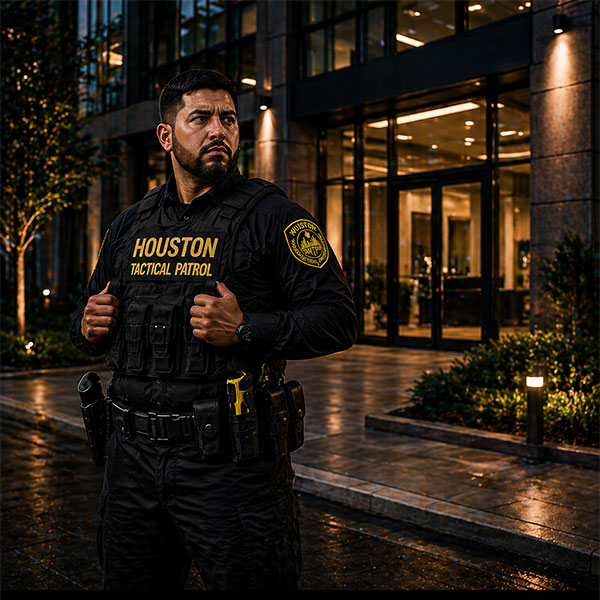
A gate does not eliminate risk. It manages entry at one point, but residents, guests, delivery drivers, contractors, and service vehicles still create a steady flow of activity throughout the day. Gated community patrol services add the visible, accountable security presence that helps a property identify concerns early, discourage bad behavior, and respond before minor issues become major incidents.
For homeowners associations, apartment communities, and mixed residential developments, the goal is not to make the neighborhood feel restrictive. It is to create a safer, more orderly environment where residents can feel confident coming home, walking common areas, and parking their vehicles.
What Community Patrols Actually Do
A professional patrol officer does more than drive through the property on a schedule. Effective coverage begins with understanding the community’s layout, risk areas, resident concerns, access points, and operating hours. The officer then performs documented patrols that focus on deterrence, observation, and timely reporting.
Typical patrol duties can include checking gates and perimeter areas, watching for suspicious vehicles or persons, inspecting parking areas, monitoring pools and amenities after hours, and identifying unsecured doors, damaged fencing, lighting failures, or safety hazards. Officers can also support access-control procedures, verify contractor activity, respond to resident concerns within the scope of the assignment, and contact law enforcement or emergency services when needed.
The value is consistency. When patrol activity is visible and unpredictable, potential trespassers and thieves have a harder time identifying an easy opportunity. When the same concerns are documented and reported, property managers have a clearer record of what is happening on site.
Why a Gate Alone Is Not a Security Plan
Many communities install gates after experiencing vehicle break-ins, package theft, trespassing, or unwanted traffic. Gates are useful, but they are not a complete security program. Tailgating, damaged equipment, shared access codes, vendor traffic, and residents leaving gates open can weaken an otherwise controlled entrance.
A patrol officer provides active oversight. They can notice when a gate is malfunctioning, when a vehicle is following another through the entrance, or when an unfamiliar person is walking through an area after amenities have closed. That human presence also helps the community respond to problems that technology can record but cannot resolve on its own.
Cameras and access systems remain valuable tools, especially at entrances and high-traffic common areas. However, video review is often reactive. Patrol services bring a trained person to the property who can assess conditions in real time, follow established procedures, and escalate appropriately.
Where Gated Community Patrol Services Make the Biggest Difference
Every property has different pressure points. A small neighborhood with a single entrance may need limited overnight vehicle patrols. A large master-planned community with multiple gates, trails, pools, and clubhouse facilities may need more frequent coverage and a broader patrol plan.
Parking areas are often a priority because they can attract vehicle burglaries, catalytic converter theft, vandalism, and suspicious activity. Amenity areas also require attention, particularly during evenings and weekends when unauthorized use, noise complaints, or property damage may occur. Construction zones, vacant homes, and perimeter boundaries can create separate vulnerabilities that deserve dedicated checks.
The right plan depends on the property rather than a one-size-fits-all schedule. A community experiencing recurring break-ins may need concentrated overnight patrols and visible marked-unit presence. A community focused on pool access, parking enforcement, and resident quality-of-life concerns may benefit from evening foot patrols or golf patrol units that can move through paths and common areas more effectively than a vehicle.
The Case for Visible, Professional Presence
Residents want protection, but they also expect personnel to treat neighbors, visitors, and vendors with respect. This is why professionalism matters as much as visibility. A patrol officer represents the property every time they speak with a resident, approach a suspicious person, or respond to a complaint.
Clear uniforms, marked vehicles when appropriate, proper communication, and disciplined reporting show that the community takes security seriously. Just as important, trained personnel understand the difference between observing a concern, addressing a rule violation, and involving law enforcement. A professional response protects the property while reducing unnecessary confrontation.
For boards and management teams, this approach can reduce operational burden. Instead of asking staff to handle after-hours disturbances or investigate every resident report, the property has a designated security resource with defined post orders and escalation procedures.
Building a Patrol Plan That Fits the Property
Before starting service, community leaders should identify what they expect patrol coverage to accomplish. “More security” is understandable, but it is not specific enough to build an effective assignment. A strong plan connects staffing and patrol activity to actual risks, property rules, and measurable expectations.
Start with incident history. Review where and when theft, vandalism, trespassing, disturbances, or access problems have occurred. Then consider resident traffic patterns, vendor activity, school schedules, special events, construction work, and seasonal changes. A pool may create the greatest concern in summer, while package theft and holiday visitors can increase access issues during the winter.
Post orders should clearly establish the officer’s responsibilities. They should address patrol frequency, required checkpoints, gate and amenity inspections, parking procedures, reporting requirements, emergency contacts, and when to call law enforcement. They should also define what the officer is not responsible for. Security personnel can support community rules, but they should not be placed in situations that require authority, training, or enforcement powers they do not have.
Questions to Ask Before Hiring a Patrol Provider
A security provider should be able to explain how it will manage coverage, communication, and accountability. Ask whether officers are properly licensed, how supervision is handled, and what reports the community will receive. Confirm whether the company can adjust staffing as conditions change, such as adding extra patrols after a crime trend or during a large community event.
It is also reasonable to ask about response procedures for alarms, disturbances, medical emergencies, fire watch needs, and serious criminal activity. The answer should be practical: observe, report, protect people from immediate danger when possible, and coordinate with the appropriate emergency agency. Promises of guaranteed crime prevention are not realistic. Reliable security is about reducing opportunity, increasing awareness, and improving response.
For Texas communities, working with a properly licensed provider is a basic requirement, not an extra feature. Houston Tactical Patrol LLC provides customizable patrol and guard coverage designed around the needs of residential communities and property management teams.
Reporting Creates Accountability
Patrol service is easier to manage when it produces useful documentation. A report should do more than state that an officer was on site. It should capture patrol times, conditions observed, actions taken, unusual activity, maintenance or safety concerns, and any escalation to management or law enforcement.
These records help managers spot recurring patterns. Repeated notes about a broken pedestrian gate, poor lighting near mailboxes, or vehicles entering through an unsecured area point to issues that may need a property-level fix. Reports can also demonstrate that the association took reasonable steps to monitor known concerns.
Accountability works both ways. The security provider should verify that patrols occur as assigned, while management should provide clear feedback when priorities change. Regular communication prevents the service from becoming a routine drive-through that no longer reflects current conditions.
Balancing Security With Community Experience
The best security program is noticeable without becoming disruptive. Excessive enforcement of minor issues can frustrate residents and create unnecessary conflict. Too little presence can leave residents feeling that security is only available on paper.
The balance comes from clear expectations. Residents should understand what the patrol team can assist with, how to report non-emergency concerns, and when they should call 911 themselves. Officers should know the community’s rules, but they should apply them professionally and consistently. A respectful presence encourages cooperation, which gives the patrol team better awareness of what is happening across the property.
A community does not need to wait for a serious incident to improve its security posture. Walk the property after dark, review recent reports, check whether gates and lights work as intended, and identify the areas where residents feel least comfortable. Those details provide the starting point for patrol coverage that is visible, responsive, and built for the way the community actually operates.