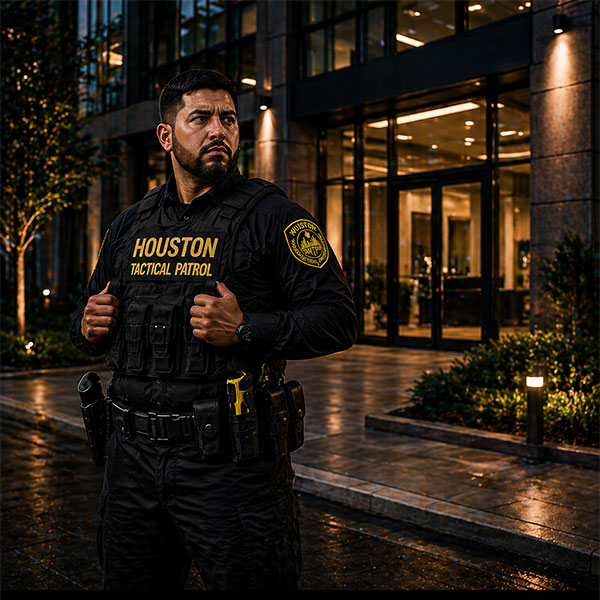
A guest should not have to wonder who is walking the hall outside their room at 2 a.m., whether a side entrance is secured, or where to get help after an unsettling encounter in the parking lot. Hotel security guard services address those moments before they become complaints, lost bookings, property damage, or a serious safety event.
For hotel owners and operators, security is not limited to stopping crime. It is part of the guest experience, staff retention, risk management, and the day-to-day protection of a busy property. The right coverage creates a visible, professional presence without making the hotel feel hostile or over-policed.
What hotel security guard services should accomplish
A capable security program gives the property a clear point of control during normal operations and unexpected incidents. Guards observe activity, protect access points, patrol areas that are difficult for front desk staff to monitor, and respond according to established procedures.
At a hotel, that often means watching the lobby, entrances, elevators, parking areas, pools, meeting spaces, loading zones, and employee-only doors. Each location has different risks. A limited-service hotel near a highway may need overnight parking patrols and room-floor checks. A full-service property with a bar, banquet rooms, and large events may need stronger access control and a coordinated response to guest disputes.
The goal is not to turn every concern into a confrontation. It is to identify problems early, use calm communication, document what occurred, and involve hotel management or law enforcement when the situation calls for it.
Why hotels need dedicated security coverage
Front desk teams already manage check-ins, guest requests, payments, calls, and reservations. Maintenance staff have their own responsibilities. Asking either group to handle suspicious activity, intoxicated visitors, trespassers, or a parking-lot disturbance can create unnecessary exposure for employees and the business.
A trained guard provides a defined security role. That separation matters when an incident requires observation, de-escalation, incident reporting, or a controlled response while management continues operating the property.
Visible patrols also work as a deterrent. Someone looking for an easy opportunity to steal from vehicles, test unsecured doors, or enter restricted areas is less likely to act when they see an alert officer making consistent rounds. Deterrence is difficult to measure in a single report, but it can reduce repeat concerns and reinforce that the property is actively managed.
Security coverage also supports guest confidence. Travelers notice poorly lit parking areas, unsecured side doors, loitering near entrances, and a lack of assistance after hours. They also notice a professional guard who can provide directions, escort a guest to a vehicle when appropriate, or promptly address a concern. Professionalism is as important as presence.
Building coverage around the property’s real risks
There is no single guard plan that fits every hotel. Effective coverage begins with an honest assessment of when, where, and how problems happen on the property.
Start with the hours that create the most exposure
Many hotels benefit most from evening and overnight coverage, when staffing is lighter and public areas are quieter. However, a property that hosts conferences or weddings may need guards during peak arrival periods, event transitions, or guest departures. A hotel near entertainment districts may see more weekend activity, while an airport property may require consistent support around the clock.
Review incident logs, guest complaints, maintenance reports, and employee observations. Patterns often reveal where coverage is needed. Repeated vehicle break-ins, for example, may point to a need for more frequent parking-lot patrols, improved lighting, and a visible security presence at specific times.
Define patrol areas and responsibilities
A security officer should not be left to guess what matters most. A clear post order should identify patrol routes, check-in locations, restricted areas, emergency contacts, and reporting expectations. It should also state when officers are expected to engage hotel management, call emergency services, or request law enforcement assistance.
Common responsibilities can include monitoring entrances, checking exterior doors, patrolling parking areas, observing pool access, responding to noise complaints, supporting staff escorts, and reporting hazards such as damaged locks or poor lighting. The guard is not a substitute for maintenance or management, but timely reporting helps those teams resolve vulnerabilities before they are exploited.
Match the officer profile to the assignment
An unarmed officer is often appropriate for guest-facing patrols, access control, lobby coverage, and routine security monitoring. The emphasis is on visibility, communication, observation, and measured response.
Armed coverage may be considered for properties with a documented higher-risk environment, valuable assets, recurring violent incidents, or specific operational requirements. This decision should be based on a thoughtful risk assessment, local requirements, insurance considerations, and the provider’s training standards. More visible force is not automatically better security. For many hospitality settings, a professional unarmed presence is the right balance between protection and guest comfort.
The difference between presence and performance
A uniform alone does not create a security program. Hotel operators should expect accountability from their guard provider, including reliable staffing, trained personnel, clear communication, and meaningful reporting.
Incident reports should be factual and useful. They should record the time, location, people involved, actions taken, and whether management or law enforcement was notified. Daily activity reports can show completed patrols, door checks, observed issues, and recurring concerns. This documentation helps management spot trends and demonstrates that coverage is being performed as assigned.
Supervision matters as well. Guards need a clear chain of command and access to support when an incident exceeds their role. Missed shifts, late arrivals, or untrained replacements can quickly undermine a hotel’s confidence and leave a gap at the worst possible time. A dependable security partner should have a process for scheduling, relief coverage, escalation, and ongoing quality control.
Security should support hospitality, not disrupt it
The most effective hotel guard is alert without being intrusive. Guests should see someone approachable, composed, and ready to help. That may involve answering a basic question, assisting a distressed guest, or quietly addressing a policy violation before it affects others.
De-escalation is especially valuable in hospitality environments. Noise complaints, guest disagreements, unauthorized visitors, and intoxication can develop quickly. A guard who communicates clearly, maintains professional distance, and follows property procedures can often restore order without escalating the situation.
Hotel leadership should also set expectations for how guards interact with guests and employees. Courtesy, discretion, appropriate appearance, and respect for privacy are not secondary concerns. They protect the brand while supporting a safe environment.
Questions to ask before hiring a provider
Before selecting a security company, hotel operators should look beyond hourly pricing. Low-cost coverage can become expensive if it leads to turnover, poor reporting, inconsistent patrols, or an officer who is not prepared for the assignment.
Ask how the company screens and trains personnel, how it handles call-offs, and who supervises the account. Confirm that the provider is properly licensed for the services offered and carries the appropriate insurance. Discuss whether officers can follow property-specific post orders and how reports will be delivered to management.
It is also reasonable to ask how the provider approaches emergency response, guest-facing conduct, and coordination with local law enforcement. A good answer is specific to the property, not a generic promise of protection. For Houston hotels and other Texas hospitality properties, working with a Texas-licensed provider that understands local operating conditions can simplify coordination and accountability.
Houston Tactical Patrol LLC builds assignments around the needs of the site, whether that means overnight guard coverage, mobile patrol support, event security, or a combination of services. The objective is straightforward: give hotel management a reliable security presence without adding unnecessary operational burden.
A practical way to begin
Start with a walk-through of the property after dark, not only during normal business hours. Check the routes a guest takes from the parking area to the lobby, the condition of exterior doors, lighting near entrances, blind spots around dumpsters or loading areas, and the access points employees use after hours.
Then compare those observations with actual incidents and guest feedback. The result should be a coverage plan that identifies priority areas, patrol frequency, communication procedures, and the type of officer best suited to the property. A plan can be adjusted as occupancy, events, seasonal demand, and local conditions change.
The right security presence allows guests to focus on their stay and employees to focus on service. When a hotel treats safety as a visible, managed part of operations, it protects far more than the building – it protects the trust that keeps people coming back.