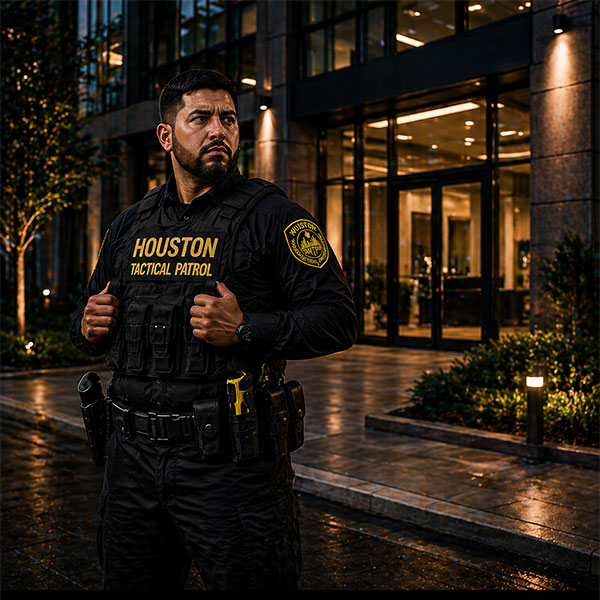
A busy sales floor can hide more than it reveals. Associates may be helping customers, stocking shelves, handling returns, and watching the entrance at the same time. That leaves opportunities for shoplifting, organized retail crime, trespassing, confrontations, and after-hours access issues. Retail store security guards give management a trained, visible presence that protects people and property without pulling employees away from their actual jobs.
For retail owners and multi-location operators, the question is not simply whether security is needed. The better question is what level of coverage fits the store’s risks, hours, layout, customer traffic, and operating budget. The right guard assignment should reduce exposure while making the store feel orderly and welcoming to legitimate customers.
When Retail Store Security Guards Are Needed
A store does not have to experience a major loss event before adding professional security. Repeated shoplifting, suspicious activity near the entrance, employee safety concerns, parking lot incidents, and unauthorized after-hours access are all signs that a visible security presence may be appropriate.
Security coverage is especially valuable when a location carries high-demand merchandise, operates late hours, handles frequent cash transactions, or has a large footprint that is difficult for staff to observe. It can also be a practical response during high-traffic periods such as holiday shopping, special promotions, inventory changes, or product launches. A temporary assignment can address a known short-term concern, while ongoing coverage may make more sense for a location with recurring incidents.
The decision depends on the situation. A small boutique with daytime hours may need periodic patrol checks and a clear closing procedure. A large retail center, convenience store, warehouse-style retailer, or shopping center may need an officer on site during operating hours, with additional attention at opening, closing, and peak traffic times.
What Retail Store Security Guards Actually Do
Effective guards do more than stand near a door. Their presence establishes oversight from the moment customers, vendors, and delivery personnel arrive. A trained officer can observe entrances and exits, monitor activity in common problem areas, help enforce store policies, document incidents, and contact law enforcement or emergency services when needed.
The best assignments begin with clear post orders. Management and the security provider should agree on where the officer will be positioned, how often patrols will occur, what incidents require immediate escalation, and who the officer should contact after hours. This removes uncertainty during an incident and gives the guard a defined role within the store’s operation.
A retail officer can also support access control. That may include checking credentials for contractors, monitoring receiving areas, observing deliveries, securing restricted rooms, or helping ensure employees leave safely after closing. In a shopping center or retail strip, patrol services can extend that visibility to parking areas, sidewalks, dumpster enclosures, and vacant units.
Professionalism matters. Security personnel represent the property in public-facing moments, including interactions with customers who may be upset, confused, or behaving suspiciously. The goal is to remain alert and approachable, use sound judgment, and de-escalate when possible. A guard should never replace management’s customer service team, but their presence can allow employees to focus on serving customers instead of managing safety concerns alone.
Visible Deterrence Is Only Part of the Value
A uniformed officer can discourage opportunistic theft because it signals that the store is actively monitored. That deterrent effect is valuable, but it should not be the only measure of success. Strong retail security also creates accountability through consistent observation, timely reporting, and a documented response when something goes wrong.
Incident reports can help management identify patterns that are easy to miss during a busy shift. For example, reports may show that suspicious activity rises near a particular entrance, during shift changes, or in an unmonitored section of the store. That information can lead to better staffing decisions, improved camera placement, revised closing procedures, or targeted patrol schedules.
Guards also provide a stabilizing presence during difficult situations. A customer dispute, employee termination, medical emergency, loitering issue, or suspected theft can quickly disrupt a store. Having trained personnel on site gives managers support and helps create a more controlled response. When law enforcement or emergency medical services are needed, a guard can provide clear information and preserve an accurate record of events.
Choosing Armed or Unarmed Coverage
The choice between armed and unarmed officers should be based on a realistic risk assessment, not a one-size-fits-all preference. Many retail locations benefit from professional unarmed security because the primary need is deterrence, access control, observation, reporting, and de-escalation. An unarmed officer may be the right fit for customer-facing stores where a calm, service-oriented presence is the priority.
Armed coverage may be considered for higher-risk locations, valuable inventory, late-night operations, repeated violent incidents, or sites with a specific threat profile. However, armed security requires careful planning. The officer’s qualifications, licensing, training, post orders, and coordination with management must all support the assignment. More visible protection can be appropriate, but it should match the environment and not create unnecessary tension for customers or staff.
In Texas, clients should work with a properly licensed security provider and confirm that assigned personnel are qualified for the duties required. A credible provider will discuss the risks honestly, explain available options, and recommend coverage that is proportionate to the site rather than pushing a higher level of service by default.
Build Coverage Around the Store’s Real Risks
A useful security plan starts with a walk-through of the property. Entrances, exits, blind spots, stockrooms, receiving areas, parking lots, cash-handling points, and closing routines all deserve attention. Store managers should also consider the surrounding environment. Nearby vacant buildings, poor lighting, recurring loitering, or limited police visibility can change the level of coverage a site needs.
Rather than treating security as a fixed expense, define the outcomes the assignment should support. Those outcomes may include reducing known theft activity, improving employee confidence at closing, controlling access to inventory, documenting incidents, or providing a rapid on-site response. Clear objectives make it easier to measure whether guard coverage is working.
Communication should be built into the service. The security team needs a reliable point of contact, clear escalation procedures, and a process for reporting concerns. Managers should review reports regularly and adjust post orders when the store’s operations change. A guard who receives current instructions can be far more effective than one who is simply told to “watch the store.”
Avoid Gaps Between Security and Store Operations
Security is most effective when it supports daily operations rather than operating separately from them. Employees should know when to contact the officer, how to report suspicious behavior, and when an issue should be escalated to management or law enforcement. At the same time, employees should not be expected to confront suspected thieves or place themselves in danger.
Store policies also need to be realistic. If a location has strict rules about access, loitering, bag checks, deliveries, or employee exits, those expectations should be communicated clearly and enforced consistently. Inconsistent enforcement can create conflict and make legitimate security work more difficult.
For multi-location operators, consistency is especially valuable. Standard post orders, reporting formats, supervisor check-ins, and staffing procedures make it easier to maintain protection across several stores. Houston Tactical Patrol can tailor staffed guard and patrol coverage to the risk profile, business hours, and operating needs of individual retail locations.
Security Should Give Management More Control
The right security program does not turn a retail store into a fortress. It gives owners and managers greater control over an environment where small issues can become costly when no one is available to address them. Visible, professional coverage can protect staff, reassure customers, deter misconduct, and provide a disciplined response when an incident occurs.
Start with the risks your team sees most often, then choose coverage that addresses those concerns without disrupting the customer experience. A well-planned guard assignment should leave your employees freer to run the store, your customers more comfortable entering it, and your operation better prepared when attention is needed most.