A broken gate, an unfamiliar car circling the lot, or a resident reporting someone pulling on door handles can turn into a serious property issue fast. An apartment complex security patrol gives property managers a visible, trained presence that can identify concerns early, respond appropriately, and document what happened before small problems become costly incidents.
For multifamily communities, security is not only about responding to a crime. It is about protecting residents’ sense of safety, reducing avoidable disruptions, supporting onsite staff, and maintaining a property that tenants are comfortable calling home. The right patrol plan does all of that without creating unnecessary friction for residents or management.
What an Apartment Complex Security Patrol Should Do
A patrol officer is not a substitute for law enforcement, nor should a security program be built around unrealistic promises. Its job is to reduce opportunity, observe conditions, enforce property rules within its authority, report issues, and initiate the proper response when a situation requires police, fire, EMS, towing, or management involvement.
That starts with visibility. A marked patrol vehicle or uniformed officer moving through parking areas, breezeways, amenity spaces, leasing office exteriors, gates, and perimeter areas makes a property less attractive to trespassers and opportunistic criminals. Randomized patrol timing matters because predictable rounds are easy to avoid.
Effective officers also pay attention to the conditions that create risk. Propped exterior doors, damaged fencing, poor lighting, unsecured maintenance rooms, abandoned vehicles, and gate malfunctions can all create openings for unauthorized access. A patrol report should give management useful details, including the location, time, condition observed, action taken, and whether follow-up is needed.
The goal is not to make an apartment community feel policed. It is to create a professional, controlled environment where residents see that concerns are taken seriously and unauthorized activity is less likely to go unnoticed.
Start With the Risks on Your Property
No two apartment communities need the same patrol schedule. A garden-style property with open parking lots has different vulnerabilities than a mid-rise building with controlled access. Communities near active nightlife districts, major highways, construction zones, or retail corridors may experience different patterns of trespassing, vehicle burglary, noise complaints, or after-hours loitering.
Before assigning patrol coverage, management should identify where incidents occur, when they occur, and what conditions tend to be present. Review recent calls to police, maintenance reports, resident complaints, gate logs, camera footage, and known trouble spots. Patterns often appear quickly: a poorly lit rear parking area, recurring unauthorized use of a pool, or package theft near a leasing office entrance.
A practical assessment should consider access points, vehicle traffic, foot traffic, vacant units, amenity areas, construction activity, and the property’s existing camera and lighting coverage. It should also account for staffing gaps. Leasing teams and maintenance personnel have essential jobs, but they should not be expected to manage confrontational after-hours incidents on their own.
Choose Coverage That Matches the Need
Patrol service can be structured around the property’s actual risks and budget. Some communities need scheduled vehicle rounds during evening and overnight hours. Others benefit from a dedicated onsite officer during peak resident activity, weekend events, move-in periods, or recurring problem hours.
Mobile patrol is often a practical choice for properties that need visible checks, gate and perimeter inspections, incident response, and regular reporting without paying for a full-time officer at one location. Dedicated coverage may make more sense when a community has frequent calls for service, a high volume of visitors, multiple entry points, or a continuing issue that requires a consistent officer presence.
Armed versus unarmed coverage also depends on the assignment. An armed officer may be appropriate for elevated-risk conditions and should be selected carefully, with proper licensing, training, policies, and clear post orders. In many residential settings, an unarmed uniformed officer provides the visible deterrence and professional response needed while feeling more approachable to residents.
The best answer depends on the property, incident history, neighborhood conditions, and management goals. A reputable provider should explain the trade-offs rather than pushing a one-size-fits-all package.
Clear Post Orders Keep Patrols Accountable
A patrol assignment is only as reliable as the instructions behind it. Vague directions such as “watch the property” leave too much to interpretation. Clear post orders define what the officer checks, how often patrols occur, how incidents are handled, who receives notifications, and when emergency services must be contacted.
For an apartment property, post orders may address gate checks, pool and clubhouse inspections, parking enforcement observations, vacant-unit checks, package area monitoring, noise complaint response, and documentation of suspicious activity. They should also set expectations for resident interaction. Officers need to remain calm, respectful, and firm when enforcing community rules.
Communication protocols are equally important. Management should know which situations warrant an immediate call, which can be included in a daily activity report, and which require a maintenance ticket or follow-up the next business day. If an officer finds a broken gate at 2:00 a.m., the value is not only in observing it. The value is in reporting it quickly, securing the area when possible, and creating a record that supports a prompt repair.
Professional Reporting Protects the Property
Incident reporting is one of the most overlooked benefits of a quality patrol program. Good reports create accountability for the security provider and provide management with information needed to make decisions. They can help establish timelines, identify repeat activity, support communication with residents, and document reasonable security measures after an incident.
Reports should be factual, timely, and free from assumptions. They should explain what the officer observed, what actions were taken, who was notified, and whether police or emergency services responded. A report should not exaggerate an event, assign blame without evidence, or include careless language that creates confusion later.
Routine activity reports also matter. When patrols consistently document rounds, gate status, lighting issues, vehicle concerns, and property conditions, managers gain a clearer picture of what is happening after the office closes. That information can guide maintenance priorities and help prevent repeated issues.
Security Works Best With Property Operations
A patrol officer can deter misconduct, but security cannot compensate for every operational weakness. A gate that remains broken for weeks, poor lighting near a parking area, untrimmed landscaping that blocks sight lines, and inconsistent towing policies can weaken even the best patrol presence.
Property managers get better results when security, maintenance, and leasing teams share information. If residents report recurring activity near a stairwell, patrol officers need to know. If a unit is vacant, officers should understand whether it is expected to be accessed by vendors. If a resident is locked out after office hours, the property should have a clear policy for how security responds without compromising access control.
Resident communication should be measured and practical. Communities do not need to alarm tenants with every minor incident, but they should provide clear guidance on reporting suspicious activity, securing vehicles, avoiding tailgating through gates, and contacting emergency services when immediate danger exists.
What to Look for in a Patrol Provider
The lowest hourly rate can become expensive if coverage is inconsistent, officers are poorly trained, reports are late, or management has to repeatedly chase updates. Look for a provider that can clearly explain its licensing, supervision, staffing process, response procedures, reporting standards, and ability to scale coverage when conditions change.
Ask how officers are briefed on your property and whether supervisors inspect assignments. Confirm how missed shifts, call-offs, and urgent incidents are handled. You should also understand whether the provider can support additional coverage during holidays, large resident events, construction phases, or a temporary increase in property risk.
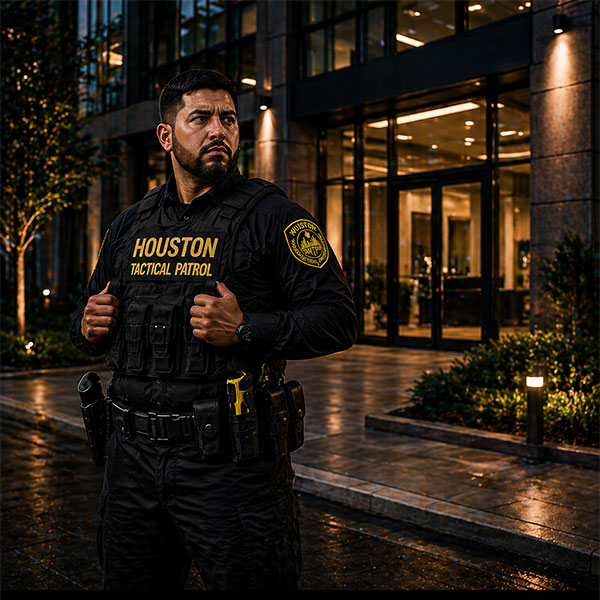
For Houston-area communities, Houston Tactical Patrol LLC provides customizable patrol and guard coverage designed around the property’s schedule, risks, and operational needs. The right security partner should reduce management burden, not add another vendor problem to solve.
A well-run patrol program sends a simple message: this community is actively managed, residents are respected, and security concerns receive a professional response. That message is strongest when visible patrol, reliable reporting, responsive communication, and sound property operations work together every day.