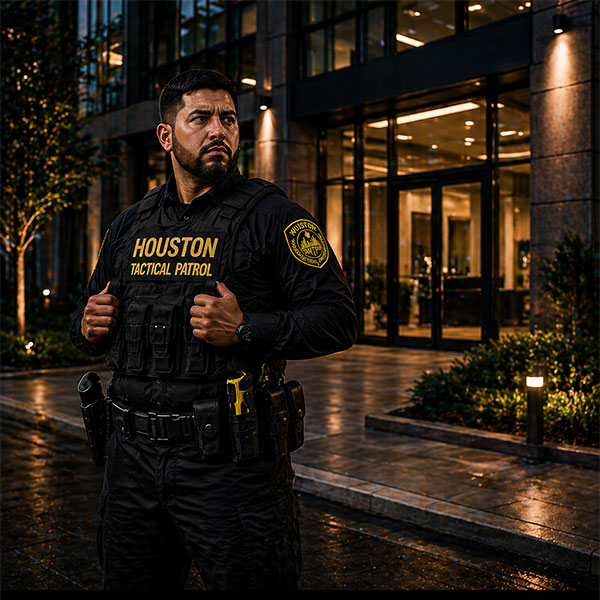
A broken gate, an unlocked delivery door, or an unfamiliar vehicle in a back lot can become a costly problem long before police arrive. That is why the top reasons businesses hire guards go beyond simply having someone present at a property. Professional security coverage gives owners and managers a visible, trained resource to deter trouble, document activity, control access, and respond when conditions change.
For commercial properties, residential communities, construction sites, and events, security is not one-size-fits-all. The right approach depends on the layout, operating hours, public access, known risks, and the level of service employees, tenants, or guests expect. A staffed guard or patrol program can be adjusted to fit those realities without placing another management burden on your team.
Top Reasons Businesses Hire Guards
Visible presence discourages crime
Most property crime relies on opportunity. Thieves, vandals, and trespassers often look for locations that appear unmonitored, poorly lit, or easy to enter and leave without being noticed. A uniformed officer at an entrance, lobby, parking area, or active patrol route changes that calculation.
Visible security does not guarantee that every incident will be prevented. It does, however, make a site less attractive to people looking for an easy target. Regular patrol checks also help identify issues such as damaged fencing, open doors, suspicious vehicles, and people attempting to access restricted areas before a small concern turns into a larger loss.
This is especially valuable after business hours, when offices, retail centers, warehouses, and construction sites may have fewer employees on-site. For some properties, marked vehicle patrols provide the right level of deterrence. For others, a dedicated on-site officer offers stronger control and a consistent point of contact.
Guards improve access control and accountability
Access control is more than locking a door. Businesses need to know who is entering, why they are there, where they should go, and whether they should remain on-site. A trained guard can verify visitors, check credentials, manage sign-in procedures, monitor entrances, and enforce established site rules with professionalism.
This support is useful in facilities with vendors, deliveries, contractors, guests, or frequent employee traffic. It can also reduce the pressure on reception staff, managers, or maintenance teams who are often asked to handle security concerns while completing their primary responsibilities.
At multi-tenant properties and residential communities, a guard can help ensure that common areas, gates, and amenity spaces are used appropriately. The objective is not to make legitimate visitors feel unwelcome. It is to create a controlled, orderly environment where residents, customers, and staff understand that the property is actively managed.
Faster response protects people and property
When an alarm sounds or a disturbance begins, minutes matter. A security officer already assigned to the property can assess the situation, communicate with the appropriate contacts, secure the immediate area, and request emergency services when needed.
Guards are not a replacement for law enforcement, fire departments, or emergency medical personnel. Their value is in immediate on-site response, observation, and communication. They can provide accurate information to first responders, help direct people away from an unsafe area, and preserve a calm, professional presence while the situation is addressed.
This can be particularly important at properties with late-night operations, valuable inventory, large parking lots, or prior incident history. A rapid response plan gives managers more control than relying only on a remote alarm notification or an employee who may not be trained to handle a confrontation.
Professional reporting gives managers usable information
Security incidents should not be reduced to a vague verbal report the next morning. Dependable guard services create records of patrol activity, observations, access issues, disturbances, and other events that may need follow-up.
Clear reporting helps property managers identify patterns. Repeated door alarms, recurring loitering in one area, damage near a particular entrance, or frequent delivery access problems may point to a practical fix. That could mean changing patrol times, improving lighting, adjusting access procedures, or adding coverage during a higher-risk period.
Documentation can also support internal reviews, insurance discussions, tenant communication, and law enforcement reports. The details matter: what happened, when it happened, who was notified, and what action was taken. A disciplined guard force provides accountability that informal monitoring cannot always deliver.
Guards support a safer customer and employee experience
Security affects how people feel on a property. Employees opening or closing a business alone may feel more confident with an officer nearby. Customers are more likely to stay focused on their visit when parking areas and entrances appear monitored. Residents want to know that common areas are being watched without feeling overly restricted.
The best officers understand that professional conduct matters as much as presence. They should communicate respectfully, follow site-specific procedures, and represent the property well. An overly aggressive approach can create complaints and disrupt normal operations. A passive approach can leave staff uncertain about whether rules will be enforced.
The right balance depends on the site. A retail location may need a welcoming but alert presence. A construction project may require strict perimeter checks. An event may need officers trained to manage entry lines, crowd flow, and disruptive behavior. Security staffing should match the operational environment, not force every client into the same model.
After-hours coverage closes common security gaps
Many incidents occur when leadership and regular staff have gone home. Empty offices, unattended equipment, unsecured materials, and isolated parking areas can create risk overnight or on weekends. Video cameras can provide valuable evidence, but cameras alone cannot inspect a noise, confront a trespasser, secure an open gate, or coordinate an immediate response.
A guard or patrol officer can conduct scheduled and randomized checks during vulnerable hours. This coverage may include exterior inspections, door checks, alarm response, fire watch observations, and reports to designated client contacts. For properties that do not need a full-time officer, scheduled patrols may offer a practical middle ground.
Fire watch is another example of where trained personnel can protect continuity. When a fire alarm or sprinkler system is impaired, qualified monitoring helps property operators meet required safety obligations while repairs are completed. The needed scope depends on the condition of the system and applicable requirements, so prompt planning is essential.
Security staffing reduces the burden on your team
Business owners and property managers already manage operations, vendors, staffing, maintenance, budgets, and customer expectations. Asking employees to handle trespassing, disputes, access enforcement, or late-night property checks can create risk for the employee and distract from the work they were hired to perform.
Contract security provides a defined resource with clear responsibilities. A reliable provider can help develop post orders, establish communication procedures, adjust schedules as needs change, and maintain coverage without requiring a manager to recruit, train, and supervise an internal guard team.
That flexibility matters. A seasonal business may need added coverage during peak months. A construction project may need security only until the site is enclosed. A commercial property may require a permanent evening officer but additional patrols during holiday periods. Houston Tactical Patrol LLC works with clients to build coverage around the actual risk, rather than selling unnecessary hours or a generic package.
Choosing the Right Guard Coverage for Your Property
The question is not simply whether to hire guards. It is what kind of coverage will solve the problem at hand. Start by reviewing when incidents happen, which areas are most vulnerable, who needs access, and what an officer should do when an issue is identified.
Armed coverage may be appropriate for higher-risk assignments, sensitive assets, or locations where a stronger security posture is justified. Unarmed officers are often an effective fit for access control, customer-facing posts, residential communities, and routine patrol duties. Vehicle patrols can extend visibility across larger properties, while dedicated officers provide continuous control at a specific location.
Licensing, training, supervision, communication, and reliability should be part of every provider evaluation. A low hourly rate is not a meaningful value if posts are left uncovered, officers lack direction, or reports do not reach the client. The goal is consistent protection that makes daily operations easier to manage.
A well-planned security presence gives people confidence without interrupting the way a property needs to function. When coverage is tailored to the site, guards become more than a response to risk – they become a dependable part of how the property stays orderly, protected, and ready for business.