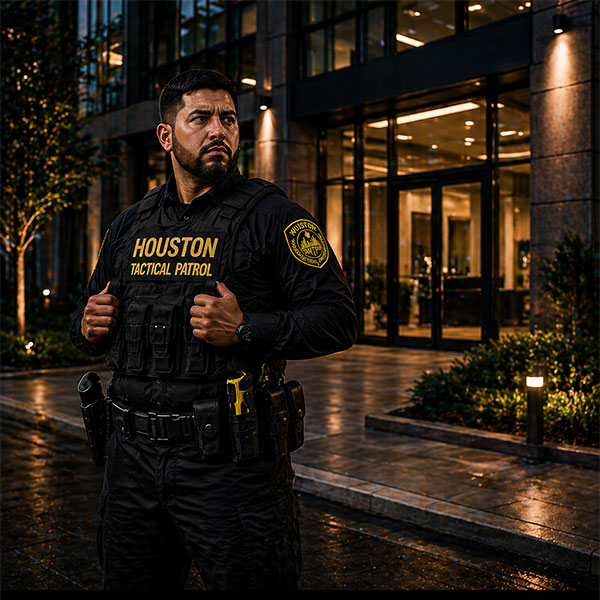
A parking lot is often the first and last part of a customer’s visit, yet it is commonly left with the least supervision. That gap can invite vehicle break-ins, theft, trespassing, loitering, property damage, and confrontations that put visitors and employees at risk. Effective parking lot security solutions turn an exposed area into an actively managed part of the property.
For property managers and business owners, the goal is not to make a lot feel hostile. It is to make legitimate visitors feel safe while making criminals recognize that the property is watched, staffed, and prepared to respond. The right plan combines visible personnel, clear procedures, reliable reporting, and coverage designed around the property’s actual risk periods.
Why Parking Lots Create a Security Gap
Parking areas are difficult to protect because they are open, spread out, and constantly changing. Vehicles enter and leave throughout the day. Visitors may not know where they are going. Employees arrive before opening hours and leave after dark. Delivery drivers, vendors, contractors, and rideshare vehicles add more activity without always having a clear reason to be on site.
Lighting and cameras help, but they do not replace an active security presence. A camera may document a break-in after it occurs. A trained patrol officer can spot suspicious behavior, approach within established procedures, contact law enforcement when necessary, and keep a minor concern from becoming a larger incident.
The financial impact goes beyond a stolen item or damaged vehicle. Repeated incidents can affect tenant retention, employee confidence, customer traffic, insurance discussions, and a property’s reputation. For apartment communities, retail centers, hotels, healthcare facilities, industrial sites, and event venues, parking lot safety is part of the overall service experience.
Parking Lot Security Solutions Should Match the Property
There is no single coverage model that works for every location. A small retail storefront with occasional after-hours concerns needs a different approach than a multi-building apartment community or a large commercial campus with several entrances.
A security assessment should begin with practical questions: When do incidents happen? Which entrances are easiest to access? Are there blind corners, poor lighting, or areas where vehicles can sit unnoticed? Does the property need an officer stationed at a fixed point, scheduled vehicle patrols, or both?
Fixed Officers for High-Activity Areas
A uniformed officer at a visible entrance, parking garage, hotel drive, or retail corridor creates immediate deterrence. Fixed coverage is especially useful when there is consistent foot traffic, recurring disputes, controlled access needs, or a history of theft and loitering.
The officer can greet visitors, watch for unauthorized activity, conduct foot patrols, assist with escorts, and maintain a professional presence during busy periods. In many settings, that visibility reassures employees and customers as much as it discourages unwanted behavior.
Fixed officers are a strong fit when a property needs continuous observation. The trade-off is cost: assigning one officer to one area means that officer is not moving through the rest of the site. For expansive properties, fixed coverage often works best alongside mobile patrols.
Vehicle Patrols for Larger or Multi-Site Properties
Marked or identifiable patrol vehicles provide broad coverage and a highly visible deterrent. Officers can check parking rows, building perimeters, gates, loading areas, dumpsters, rear entrances, and other locations that may receive little attention during normal operations.
Patrol service can be scheduled for specific hours or operated around the clock. This flexibility makes it useful for construction sites, industrial facilities, shopping centers, office campuses, and residential communities. A patrol officer can also perform lock checks, report lighting issues, document suspicious vehicles, and respond to concerns from tenants or staff.
The key is consistency. Randomized patrol patterns can make a property less predictable to potential offenders, but patrol activity still needs clear accountability. Management should know when patrols occurred, what was observed, and whether a concern required follow-up.
Armed or Unarmed Coverage Depends on Risk
Most parking lot assignments do not automatically require armed officers. Unarmed security professionals can provide strong deterrence, customer assistance, access control, observation, reporting, and incident response within their training and authority.
Armed coverage may be appropriate where there is a documented threat level, high-value assets, late-night cash activity, repeated violent incidents, or a client policy that calls for a higher level of protection. This decision should be based on the property’s risks, local conditions, insurance requirements, and the responsibilities assigned to the officer.
The most effective choice is not necessarily the most aggressive one. It is the level of coverage that is appropriate, properly staffed, and supported by written procedures. A professional provider should be able to explain why a recommended post order, patrol schedule, or officer type fits the site.
Build Security Around the Hours That Matter
Many parking lot incidents happen during transition periods: early-morning employee arrivals, closing time, shift changes, weekends, holidays, and overnight hours. A property that appears well managed at noon may be vulnerable after the last manager leaves.
Review incident reports, tenant complaints, and access patterns before choosing coverage hours. If theft reports increase after 8 p.m., placing an officer on site only during daytime business hours will not address the real problem. If a location has heavy weekend activity, a weekday-only plan may leave the most vulnerable periods uncovered.
Escorts can also be valuable for employees who walk to distant parking areas after dark. The presence of an officer during closing procedures, cash drops, or late shift changes can reduce anxiety and improve staff retention without requiring full-time coverage at every hour.
Security Personnel Need Clear Expectations
A uniform alone is not a complete security plan. Officers need site-specific instructions that define their responsibilities, communication procedures, patrol areas, escalation steps, and reporting requirements.
For example, an officer should know which vehicles are authorized to remain overnight, who can approve access after hours, how to address trespassing, when to contact a property representative, and when an incident requires law enforcement or emergency services. Vague instructions lead to inconsistent decisions, which can create both operational and liability concerns.
Detailed activity reports give property management a record of patrols, observations, disturbances, maintenance concerns, and actions taken. These reports are useful for identifying patterns. Repeated notes about a broken gate, dark stairwell, or suspicious vehicle can reveal a problem before it leads to a serious incident.
Houston Tactical Patrol LLC provides customizable staffing and patrol coverage for Texas properties that need a dependable, professional security presence. For clients, the value is not simply having someone on site. It is having trained personnel who understand the assignment, remain accountable, and represent the property appropriately.
Support Personnel With Better Site Conditions
Security officers are more effective when the site itself supports their work. Property improvements do not need to be complicated, but they should address the areas that make observation and access control difficult.
Consider these practical measures when reviewing a parking lot:
- Repair lighting outages quickly, especially near entrances, walkways, dumpsters, and rear parking rows.
- Trim landscaping that blocks sightlines around doors, drive lanes, and pedestrian paths.
- Post clear towing, visitor parking, access, and trespassing signage where it can be seen.
- Keep cameras focused on entry points, payment areas, pedestrian routes, and known problem zones.
- Maintain gates, fencing, locks, and call boxes so officers are not working around preventable failures.
These measures work best as support for active patrols, not as a substitute for them. Good lighting helps an officer see more. Cameras help verify and investigate. Clear signs make enforcement more straightforward. Together, they reduce uncertainty and improve response.
Measure Results Beyond Incident Counts
A lower incident count is a positive sign, but it is not the only measure of a successful security program. Look for better documentation, fewer unauthorized vehicles, faster reporting of maintenance concerns, improved compliance with access rules, and stronger feedback from tenants, employees, or guests.
It is also wise to review the plan after a major change. New tenants, construction activity, seasonal events, altered business hours, and an increase in local crime can all change a property’s security needs. Coverage that was appropriate six months ago may need to be adjusted.
A parking lot should not be treated as the unmonitored space between the street and the building. When visible, trained personnel are assigned with clear objectives and reliable oversight, the lot becomes another controlled part of the property – one that helps people arrive, leave, and work with greater confidence.