A fire watch log becomes most valuable when something changes: a detector remains offline, a sprinkler system is impaired, a hazard is found, or the fire department asks what occurred overnight. Knowing how to document fire watch rounds gives property managers and facility operators a clear record of coverage, conditions, and response during a period of elevated risk.
Fire watch is not simply a guard walking through a building with a clipboard. It is a temporary life-safety measure that requires attention, consistency, and accurate reporting. Documentation proves that required rounds occurred, gives the next officer a clear picture of conditions, and helps management address hazards before they become an emergency.
Start With a Clear Fire Watch Log
A usable fire watch log should be simple enough to complete during every round and detailed enough to stand up to review. Whether the record is kept on paper or through a digital reporting system, the format should be consistent from shift to shift.
At a minimum, identify the property name and address, the date, the officer’s name, and the reason fire watch was initiated. State what system or condition is affected, such as an impaired fire alarm panel, a sprinkler outage, a loss of monitoring, or a specific area that cannot be protected by its normal fire safety equipment.
The log should also show the required patrol frequency. Round intervals may be established by the authority having jurisdiction, the fire code, the property’s fire safety plan, the system impairment, or instructions from the fire alarm or sprinkler provider. Do not assume one schedule applies to every property. When requirements are unclear, management should confirm the expected procedure with the appropriate authority before coverage begins.
A clear log turns a staffing assignment into accountable protection. It also reduces confusion when a property manager, fire inspector, maintenance contractor, or incoming officer needs to understand what is happening on site.
What to Record During Each Fire Watch Round
Every entry should document the actual round, not a planned round or a later reconstruction from memory. The officer should make the entry immediately after completing the inspection whenever possible. Backfilled logs create doubt, especially when the recorded times appear too uniform or fail to reflect events that occurred during the shift.
Each round entry should include the time the round began or was completed, the officer’s initials or signature, and the areas inspected. On a large property, naming the route matters. “Building checked” is not as useful as noting the lobby, stairwells, electrical rooms, common corridors, loading dock, mechanical areas, and affected tenant spaces.
The report should also state the observed condition. If conditions are normal, write a concise, specific statement such as “No smoke, fire, unusual heat, or blocked exit conditions observed.” If a problem is found, document the exact location, the condition, and the action taken.
For example, an entry may state: “10:15 p.m. – Inspected floors 1 through 4, east stairwell, electrical room, and rear loading area. No smoke or fire observed. Exit path at rear loading door was partially obstructed by delivery cartons. Notified site contact at 10:18 p.m.; cartons moved by warehouse supervisor at 10:27 p.m.”
That entry establishes more than patrol activity. It shows observation, notification, follow-through, and resolution.
Inspect the Conditions That Create Fire Risk
The purpose of a fire watch round is to identify visible signs of fire or unsafe conditions while normal protection is impaired. Officers should stay focused on what they can observe and report rather than attempting repairs or making technical determinations outside their role.
During each route, look for smoke, flames, unusual odors, heat, sparks, overloaded outlets, damaged extension cords, blocked exits, wedged fire doors, inaccessible extinguishers, and combustible materials stored near ignition sources. Pay close attention to areas that may be vacant, closed after hours, undergoing construction, or subject to hot work.
Some properties require additional attention. A multifamily community may need careful checks of corridors, trash rooms, electrical closets, and amenity spaces. A construction site may have changing access points, temporary power, welding activity, and combustible materials. A warehouse may have loading activity, battery-charging areas, storage heights, and equipment that can obstruct exits.
The route should reflect the property’s real risks. A generic patrol pattern may miss the areas where a fire could start or where occupants could have trouble exiting.
Document Hazards With Facts, Not Assumptions
A strong report describes what was seen without speculation. Write “smell of burning plastic near electrical panel in west utility room” rather than “electrical fire likely.” Write “fire exit blocked by stacked pallets” rather than “unsafe warehouse operations.”
Factual language protects the integrity of the report and gives managers useful information for corrective action. If the condition presents an immediate threat, follow the site emergency procedure, notify the appropriate contacts, and contact emergency services when warranted. The fire watch log should then record the notification time, person contacted, instructions received, and any responding agency or contractor.
Make the Timeline Easy to Verify
A fire watch record should tell a complete story from the beginning of the shift through the end. This means documenting the initial briefing, each round, all incidents or hazards, notifications, handoff information, and the final status of the impaired system if known.
Time accuracy matters. Use the same time format throughout the log and avoid estimating times. If an officer is delayed by an emergency, access issue, or required response, document why the scheduled round was delayed and when the route was completed. A missing interval with no explanation can create questions about whether the property was covered.
For continuous fire watch coverage, shift changes deserve special attention. The outgoing officer should brief the incoming officer on the impairment, current hazards, routes, tenant or site contacts, and unresolved issues. Both officers should record the handoff time when practical. This prevents a coverage gap and makes responsibility clear.
Digital reporting can improve visibility for management, particularly at multi-location properties. However, technology does not replace good reporting habits. A digital form with vague notes is still a weak record. The officer must document what was checked, what was found, and what was done.
Use a Repeatable Fire Watch Documentation Process
Consistency is the difference between a log that merely exists and one that supports safe operations. Before the first round, the officer should receive the property-specific instructions, confirm the impairment or reason for fire watch, identify the inspection route, and obtain current emergency contacts.
A reliable process includes these six actions:
- Record the date, site, officer, impairment, and required patrol interval at the start of the shift.
- Conduct the full assigned route at the required frequency, including all affected and high-risk areas.
- Enter each round promptly with the time, route, observed conditions, and officer identification.
- Report hazards immediately through the approved chain of communication and call emergency services when conditions require it.
- Record every notification, response, corrective action, and unresolved condition with accurate times.
- Complete a clear shift handoff and preserve the log according to the property’s recordkeeping process.
This approach is especially useful when several officers cover the same property or when a facility manager must provide records to an inspector, insurer, contractor, or ownership group.
Common Documentation Mistakes to Avoid
The most common mistake is using repetitive, vague entries. Notes such as “all clear” or “patrolled property” do not show where the officer went or what was observed. They offer little value if an incident occurs later.
Another issue is failing to document corrective action. If an exit is blocked and then cleared, the log should show both the original condition and the resolution. Without the follow-up, management cannot tell whether the hazard remained in place.
Officers should also avoid copying prior entries, pre-filling future rounds, or signing for work they did not perform. These practices undermine the record and can expose the property to unnecessary liability. A fire watch assignment calls for disciplined, real-time accountability.
Finally, do not treat the log as a substitute for communication. If there is smoke, fire, a strong burning odor, an immediate life-safety hazard, or another emergency condition, follow emergency procedures first. Documentation should support the response, not delay it.
Keep Documentation Aligned With the Property’s Needs
The best fire watch documentation process is tailored to the property, the affected system, and the nature of the risk. A short-term alarm impairment at an office building may require a straightforward route and concise entries. A large occupied facility with multiple buildings, active construction, or repeated system issues may require detailed zones, supervisor reviews, and stronger shift-transition controls.
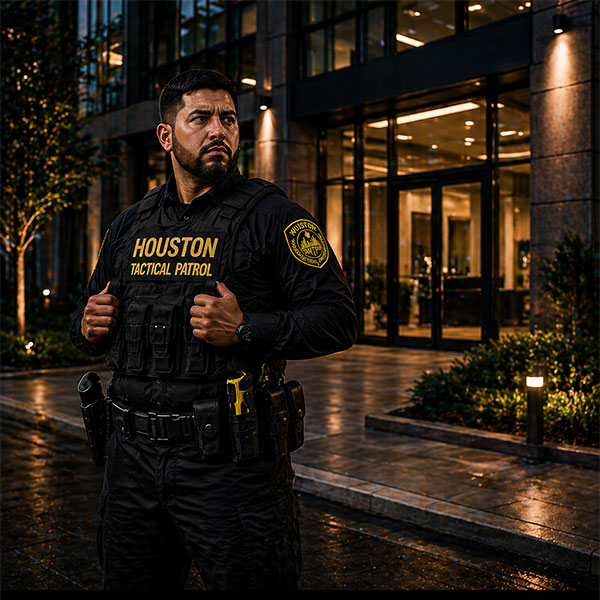
For Houston-area facilities managing temporary fire protection impairments, trained fire watch personnel can reduce the burden on onsite teams by providing visible patrols, documented rounds, and prompt escalation when conditions change. Houston Tactical Patrol LLC approaches these assignments with the same discipline expected of any life-safety coverage: clear instructions, professional officers, and accountable reporting.
A well-maintained fire watch log gives decision-makers confidence that someone was present, alert, and prepared to act when normal fire protection was unavailable.