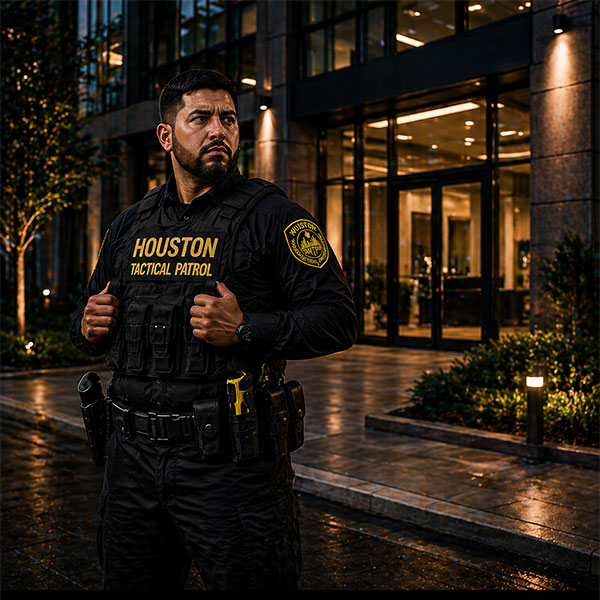
A break-in, trespassing complaint, or damaged gate rarely happens when a property manager is standing nearby. The question, “what does unit patrol mean,” usually comes up when a property needs visible protection after hours but does not require a guard stationed at one post all day. Unit patrol is designed for that gap: trained security personnel make scheduled or randomized checks of a property, address observed concerns, and document what happened.
For commercial properties, residential communities, construction sites, and events, the value is not simply having a vehicle drive through. A well-managed patrol creates a professional security presence, identifies issues before they become larger losses, and gives managers a clear record of activity on site.
What Does Unit Patrol Mean in Private Security?
A unit patrol is a mobile security service in which an officer or patrol unit visits and monitors a property during agreed-upon hours. The “unit” may be a patrol vehicle, a golf cart for large campuses or communities, or an officer on foot when closer inspection is needed. Unlike a dedicated standing guard, the officer is not necessarily assigned to remain in one location for an entire shift.
The assignment is built around the property’s actual risks. A retail center may need evening perimeter checks, storefront inspections, and parking lot visibility. An apartment community may need patrols around amenities, parking areas, gates, and vacant units. A construction site may need checks of equipment, materials, fencing, and access points after crews leave.
Patrol service can be scheduled at set times, performed at varying intervals, or structured as a combination of both. Predictable checks support routine operations. Randomized patrol times can make it harder for trespassers or thieves to identify an unprotected window. The right approach depends on the property, crime history, operating hours, and budget.
What a Patrol Officer Does During a Visit
A meaningful patrol is active, not a quick pass through the parking lot. Officers are assigned clear post orders so they know what to inspect, who to contact, and how to respond within the limits of their authority and the client’s instructions.
During a typical visit, an officer may inspect doors, gates, fencing, lighting, loading areas, parking lots, and other vulnerable points. They may look for signs of forced entry, suspicious vehicles, unauthorized persons, safety hazards, open access points, or property damage. At residential and hospitality properties, they may also address noise concerns, parking violations, or unauthorized use of common areas when those duties are part of the assignment.
Visibility matters. A marked patrol unit, professional uniform, and purposeful officer presence can discourage opportunistic crime before an incident occurs. That deterrent effect is one reason unit patrol works well for properties where theft, vandalism, and trespassing tend to happen when the location appears unattended.
Officers also document their activity. Depending on the service plan, reporting may include patrol times, areas checked, incidents observed, actions taken, and recommendations for property conditions that need attention. This accountability helps managers understand what is happening after hours instead of relying on assumptions or incomplete reports from tenants and staff.
Unit Patrol vs. a Dedicated Security Guard
The main difference is coverage model. A dedicated guard stays at a specific property for a continuous shift. Unit patrol provides periodic checks, often across a defined route or service area. Neither option is automatically better. The correct choice depends on the level of risk and the type of presence the property needs.
A dedicated officer is generally the stronger option when a property requires constant access control, visitor screening, a staffed lobby, ongoing surveillance monitoring, or immediate on-site response throughout operating hours. Examples include busy construction entrances, medical facilities, high-traffic events, and properties with frequent incidents.
Unit patrol is often a practical fit when risk is concentrated after business hours, when a property is closed overnight, or when periodic inspection provides sufficient coverage. It can offer a more cost-conscious way to establish a visible security presence without staffing one officer at a single location around the clock.
There is a trade-off. A patrol officer cannot be physically present at the property every minute between visits. If an immediate, continuous response is essential, standing guard coverage may be necessary. Many clients use both: a dedicated officer during peak hours and unit patrols overnight or across multiple lower-risk locations.
When Unit Patrol Is a Good Fit
Unit patrol is especially useful for properties with broad grounds, multiple access points, or changing activity after normal business hours. It allows security coverage to focus on the times and places where exposure is highest.
For a retail or office property, patrols can help identify unsecured doors, suspicious activity near storefronts, loitering, and parking lot concerns. For a warehouse or industrial facility, the emphasis may be on loading docks, trailer areas, perimeter fencing, and employee vehicle areas. For multifamily communities, the focus may shift to gates, parking, pool areas, mailrooms, vacant units, and resident concerns.
Construction stakeholders often use unit patrol to help protect valuable equipment and materials when a site is unoccupied. A patrol officer can check for cut fencing, open trailers, unauthorized vehicles, and signs that someone has entered the site. While no service can guarantee that crime will never occur, frequent documented checks make a site less attractive to opportunistic offenders and can expose security weaknesses early.
In Houston, where properties may operate late, cover large footprints, or face weather-related access issues, the patrol plan should account for the property’s layout and real operating conditions. A generic route is not enough. Effective coverage is built around the entrances, blind spots, assets, and recurring issues that matter to the client.
How to Build an Effective Patrol Plan
Before beginning service, the security provider should understand the property rather than simply assign drive-through visits. Management should identify where incidents have occurred, which areas are difficult to monitor, what assets require extra attention, and who should receive reports or emergency notifications.
Clear instructions matter. For example, an officer needs to know whether an unlocked door should be secured, reported to a designated manager, or handled through a specific escalation process. The provider should also know whether the client wants officers to make tenant contact, enforce parking rules, check fire watch conditions, or remain focused strictly on exterior patrol.
A strong plan includes reliable communication. Property managers should know how to reach the security team, how incident notifications are handled, and what information will appear in patrol reports. If an officer observes a crime in progress or an immediate threat to life and safety, law enforcement and emergency services should be contacted as appropriate. Private security supports protection and response, but it does not replace emergency responders.
It is also wise to review the service after the first few weeks. Incident patterns may show that patrols need to occur later, focus on a different side of the property, or increase around weekends and holidays. Security should adapt as the property changes.
Questions to Ask Before Hiring a Unit Patrol Service
A provider should be able to explain exactly what the patrol includes. Ask whether patrols are scheduled, randomized, or both; how officers document visits; what areas will be checked; and how incidents are escalated. You should also confirm licensing, training standards, supervision, insurance requirements, and whether armed or unarmed coverage is appropriate for the assignment.
Do not choose based on the lowest rate alone. A low-cost patrol that produces no meaningful inspection, documentation, or communication can leave the same gaps that existed before coverage began. The goal is dependable presence backed by clear operational expectations.
Houston Tactical Patrol LLC approaches unit patrol as a managed protection service, not an occasional vehicle pass. The assignment should reflect the client’s property, risks, operating schedule, and expectations for reporting and response.
The best patrol plan is the one that makes security visible where it counts, gives decision-makers reliable information, and closes small vulnerabilities before they become expensive incidents.