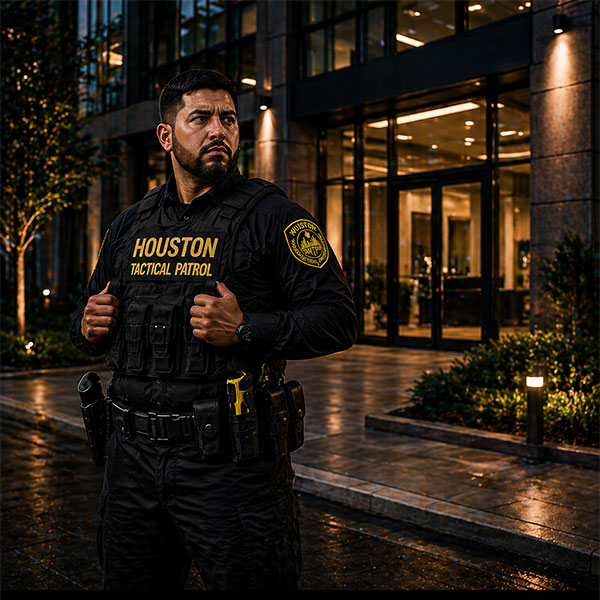
A break-in after closing, repeated trespassing at a construction site, or a confrontational visitor at an apartment community can create a problem that cannot wait for a next-day vendor call. The right armed security company provides a visible, professional presence when a property needs greater deterrence, faster on-site action, and clear accountability.
Armed coverage is not the automatic answer to every security concern. It is a serious operational decision that should match the risk at your property, the expectations of tenants or customers, and the responsibilities of your management team. Choosing carefully protects people, assets, and your organization’s reputation.
Start With the Risk, Not the Guard Rate
A low hourly rate can look attractive until an officer arrives without a clear assignment, appropriate training, or reliable supervision. Before requesting proposals, define what is actually happening at the property. Are theft and vandalism occurring after hours? Are unauthorized visitors entering through unsecured access points? Is your team handling confrontations they should not have to manage?
The answer determines whether armed officers are appropriate and what duties they should perform. A retail center may need a uniformed officer during peak evening hours to discourage theft and address disturbances. A warehouse may need overnight patrols, gate checks, and documentation of suspicious activity. A multifamily community may need a consistent patrol presence focused on parking areas, common spaces, access control, and resident concerns.
Be specific about the areas, hours, incidents, and operational gaps involved. A dependable security provider can turn that information into a practical coverage plan instead of offering the same schedule to every client.
Confirm Licensing and Armed Officer Qualifications
In Texas, private security companies and armed security personnel must meet state requirements. A prospective provider should be able to discuss its licensing, insurance, officer qualifications, and process for assigning armed personnel to your site. Do not treat these details as paperwork to review later. They are central to responsible security coverage.
Ask how the company verifies that officers maintain required credentials and how it handles recurring training. Armed officers need more than a visible firearm. They need sound judgment, professional communication skills, situational awareness, and a clear understanding of when to observe, report, de-escalate, call law enforcement, or take appropriate action within their authority.
The best fit may be an officer with prior law enforcement, military, or specialized security experience, but background alone should not be the deciding factor. The officer also has to represent your property professionally. Residents, employees, guests, and customers should see someone calm, alert, respectful, and prepared.
Ask Who Will Actually Work Your Site
Security proposals can sound strong on paper while leaving key staffing details unanswered. Find out whether the company has a stable roster of qualified officers, how it handles call-offs, and who is responsible for filling an unexpected vacancy. Consistency matters. An officer who knows your property layout, access rules, reporting process, and recurring concerns is more effective than someone arriving with no site knowledge.
Ask whether the provider uses dedicated officers for regular posts whenever possible. If coverage changes, there should be a professional handoff that includes post orders, known risks, emergency contacts, and site expectations.
Evaluate the Company’s Supervision and Communication
An armed officer should never feel like a vendor left alone with a uniform and a shift assignment. Strong security operations include active supervision, field support, documented post orders, and a clear chain of communication.
Ask how supervisors check officer performance and how the company confirms that required patrols, access checks, and reports are completed. For many properties, 24/7 dispatch or monitoring support adds another layer of accountability, especially when an officer needs assistance or a client needs to report an urgent concern.
Communication should also work for the client. Property managers should know who to contact after hours, how quickly calls are returned, and what type of incident information they can expect. A concise report following a disturbance, trespass warning, damaged gate, or police response helps management make decisions and maintain records.
Post Orders Should Be Property-Specific
Post orders are the instructions that tell officers how to protect your location. Generic directions such as “patrol the property” are not enough. Effective post orders identify patrol routes, restricted areas, access procedures, shift priorities, emergency contacts, reporting expectations, and escalation protocols.
They should also establish boundaries. For example, an officer may be responsible for documenting parking violations, contacting management about an unsecured door, and calling law enforcement for criminal activity. The officer should not be expected to perform maintenance, enforce rules inconsistently, or make decisions outside the agreed security plan.
A professional provider reviews and updates these instructions as site conditions change. A new tenant, construction phase, event schedule, or pattern of incidents may require different coverage than the original plan.
Look for Deterrence Without Unnecessary Escalation
The value of armed security often begins before an incident occurs. A trained, uniformed officer conducting visible patrols can discourage trespassing, theft, vandalism, and disruptive behavior. Visibility signals that the property is monitored and that someone is prepared to respond.
But an armed assignment must be built around restraint and judgment, not intimidation. The officer’s presence should make the environment feel safer for legitimate visitors while setting firm boundaries for people creating risk. De-escalation, observation, verbal communication, and prompt coordination with law enforcement are often the most effective tools.
This is why the company’s hiring standards and training matter as much as the equipment an officer carries. Your security team reflects directly on your business, community, or event. Professional conduct protects both safety and public confidence.
Compare Proposals Beyond the Scope of Hours
When reviewing proposals from an armed security company, compare the operating details, not only the monthly total. Confirm whether the scope includes standing guard coverage, marked or unmarked patrol units, patrol frequency, electronic reporting, supervisor visits, holiday coverage, and emergency replacement staffing.
Also discuss how the provider handles changes. A property may need additional coverage after an incident, during a tenant move-out period, for a special event, or while repairing damaged fencing or access systems. A responsive company should be able to adjust staffing without forcing your team to restart the entire procurement process.
For multi-site operators, consistency is especially valuable. Standardized reporting, a single point of contact, and scalable officer deployment can reduce the burden on regional managers while still allowing each property’s post orders to reflect local conditions.
Know When Armed Coverage Is the Right Choice
Armed officers are generally most appropriate when the property faces a heightened risk profile, handles valuable inventory or equipment, operates late at night, has experienced serious criminal incidents, or needs personnel prepared for potentially dangerous encounters. Construction sites, industrial facilities, high-traffic retail locations, certain residential communities, and large events may fall into this category depending on the circumstances.
Other locations may be better served by unarmed officers, mobile patrols, fire watch, improved lighting, access control, cameras, or a combination of services. In many cases, layered security delivers the strongest result. An armed officer can provide focused coverage during higher-risk hours while patrol units and monitoring support maintain visibility at other times.
Houston Tactical Patrol LLC approaches security planning as a staffing and operational decision, not a one-size-fits-all product. The goal is to put qualified personnel where they can make a meaningful difference without adding unnecessary complexity to your operation.
A good security partner should leave you with more than a scheduled guard post. You should have clear expectations, dependable communication, documented activity, and confidence that your property has professional coverage when it matters most.