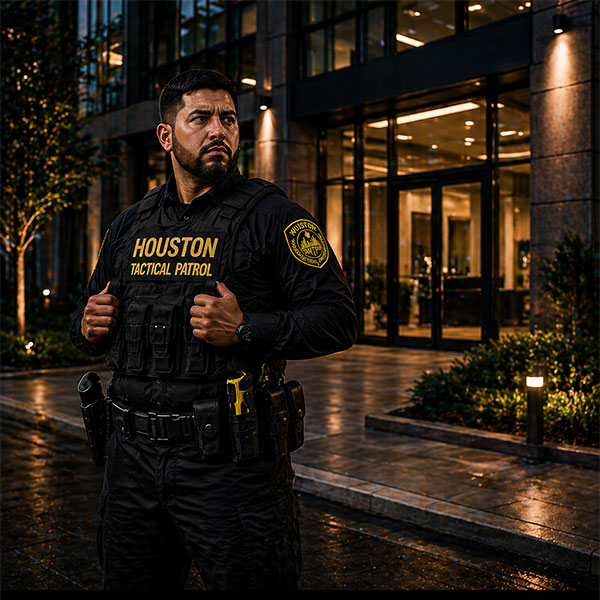
A break-in at 2:00 a.m., unauthorized vehicles in a residential lot, or an escalating dispute at an event rarely gives a property manager time to build a security plan from scratch. The right veteran owned security company provides more than a uniform at the door. It provides disciplined staffing, clear communication, visible deterrence, and a dependable point of contact when conditions change.
For businesses, communities, and event operators, veteran-owned status should not be treated as a marketing label. It can reflect a service culture built around readiness, accountability, respect for procedures, and calm decision-making under pressure. Those qualities matter when you are trusting a security provider with your people, property, reputation, and after-hours risk.
What Veteran-Owned Security Means for Your Property
Veterans arrive from many different roles and backgrounds, so no two professionals bring the same experience. Military service alone does not automatically qualify someone to work private security or replace the need for state licensing, training, supervision, and sound judgment. A qualified provider still needs properly trained personnel, a defined operating plan, and a management structure that supports officers in the field.
What a veteran-owned company can bring is an operational mindset. In security, that often means taking assignments seriously from the start: understanding the site, identifying priorities, establishing communication procedures, documenting activity, and staying prepared for the unexpected.
For a client, that structure can reduce uncertainty. You should know who is assigned to your property, what they are responsible for, how incidents are reported, and who to call if coverage needs to change. Security is not simply about having a person present. It is about having a managed service that remains consistent after the first week of an assignment.
Discipline Creates Better Day-to-Day Coverage
Most security work is preventative. An officer may spend an entire shift checking access points, observing traffic, verifying credentials, assisting authorized visitors, and keeping an eye on activity that does not look right. The work can appear quiet when it is being done well.
Discipline matters in those quiet hours. A guard who follows post orders, completes patrols on schedule, maintains professional awareness, and records concerns accurately gives a client a clearer picture of what is happening on-site. That consistency also makes it easier to identify patterns, such as repeated trespassing near a loading dock, unsecured doors after closing, or recurring parking issues in a community.
A visible, professional security presence can deter opportunistic theft, vandalism, and unauthorized access. It also reassures employees, residents, tenants, and guests that someone is actively responsible for the property. The goal is not to create an intimidating atmosphere. The goal is to establish order, protect legitimate activity, and address concerns before they become larger incidents.
Clear Expectations Matter More Than a Generic Post
Effective coverage begins with site-specific instructions. A shopping center, construction site, apartment community, medical facility, and private event each face different risks. They also require different approaches to customer interaction, patrol frequency, access control, and escalation.
Before assigning personnel, a security provider should understand the layout, operating hours, high-value areas, known concerns, emergency contacts, and client expectations. A generic guard assignment may be less expensive initially, but it can create gaps when officers do not have clear direction or a supervisor does not understand the location.
This is where a veteran-owned approach to planning can be valuable. Strong operations are built around defined responsibilities, not assumptions. The officer should know where to be, what to watch for, what authority they have, and when to contact management, law enforcement, fire services, or the client.
Licensing and Training Still Come First
When evaluating a veteran owned security company, ask about credentials before making a decision based on brand identity. In Texas, private security services are regulated, and clients should confirm that the provider holds the appropriate Texas Department of Public Safety licensing for the services being offered.
Armed and unarmed coverage are not interchangeable. Armed officers may be appropriate for higher-risk properties, sensitive assets, late-night operations, or sites with a history of serious incidents. Unarmed officers can be the right choice for many commercial locations, residential communities, hospitality settings, and events where customer service and visible deterrence are the priority.
The right option depends on the property, the risk level, the public-facing environment, and the client’s policies. More force is not automatically better security. The best security plan uses personnel who are properly trained for the assignment and supported by clear procedures.
Ask a prospective provider how officers are screened, trained, supervised, and evaluated. Confirm how they manage call-offs, emergency replacements, shift changes, reporting, and client requests. A company that answers these questions directly is more likely to make security management easier rather than adding work to your team.
Response Is More Than Arriving Quickly
Fast response is essential, but response quality matters just as much. When an officer encounters an unlocked gate, suspicious activity, a fire alarm issue, or a confrontation, the next steps should be controlled and appropriate. That requires observation, communication, documentation, and a clear understanding of escalation procedures.
A disciplined security team helps maintain the chain of information during an incident. The client should receive useful details rather than vague assurances. A complete report can document the time, location, observations, actions taken, parties involved, and follow-up needed. This protects the client operationally and can be valuable for insurance, internal review, or law enforcement coordination.
For properties requiring around-the-clock coverage, supervision is especially important. Overnight shifts, weekends, holidays, and high-traffic periods can expose weaknesses in a staffing plan. A provider should have the capacity to communicate with officers, address problems quickly, and maintain coverage without leaving the client to solve staffing issues on short notice.
Professionalism Protects Your Brand, Too
Security officers are often among the first people visitors, tenants, employees, and vendors see. Their appearance, demeanor, and communication affect how people view the property itself. An officer must be alert and authoritative while remaining respectful, especially in public-facing environments.
This is a practical consideration for Houston businesses and property managers. A guard who handles a frustrated visitor professionally can help prevent a complaint or confrontation from escalating. A patrol officer who communicates clearly with a resident can build trust while enforcing community rules. At an event, security personnel must balance access control with an organized, welcoming experience for legitimate guests.
The best security teams know that professionalism is part of protection. It encourages cooperation, supports client policies, and reduces unnecessary conflict.
How to Select the Right Security Partner
Start with the problem you need solved. If theft and trespassing occur after business hours, mobile patrols, alarm response support, and scheduled property checks may be the best fit. If your facility has active entrances, valuable equipment, or frequent visitors, staffed guard coverage may offer better control. If you are planning an event, you may need personnel who can manage entrances, monitor the venue, protect restricted areas, and respond quickly to disruptions.
Then look for a provider that can tailor coverage without overcomplicating the process. Houston Tactical Patrol LLC works with clients across Texas to build guard and patrol services around the property, schedule, and level of risk involved. The right partner should be able to explain the recommended coverage in straightforward terms and adjust service as your needs change.
Veteran ownership can be a meaningful indicator of values such as discipline, service, and readiness. Still, the decision should come down to demonstrated professionalism: proper licensing, capable officers, responsive management, reliable scheduling, and a security plan that fits your operation.
Your property deserves coverage that is present when needed, professional in every interaction, and prepared to act with sound judgment. Choosing a provider that treats protection as an ongoing responsibility gives your team more room to focus on running the business, serving residents, or hosting a successful event.