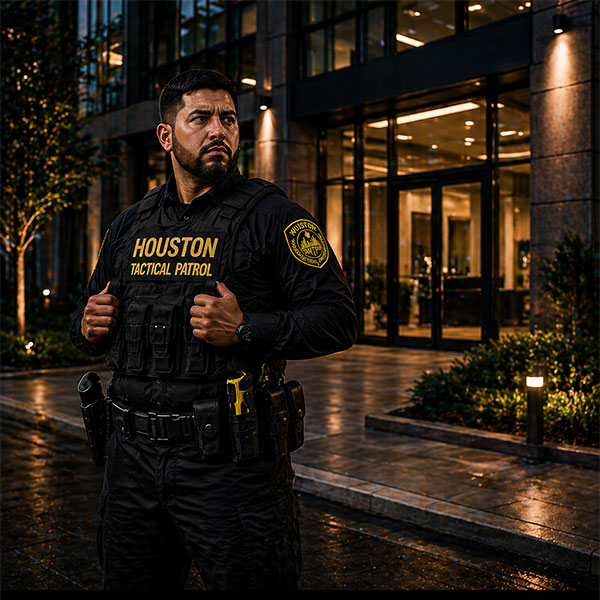
A property is most vulnerable when normal activity stops. Employees leave, customers go home, gates close, and parking areas become quiet. That is when theft, trespassing, vandalism, and unauthorized access can turn into costly disruptions. 24 hour security patrol services provide a visible, accountable presence during those gaps, helping property owners maintain control at every hour.
For businesses, communities, and event operators, the goal is not simply to have a vehicle pass by. Effective patrol coverage is planned around the property, its risks, and the response expectations that matter to the client. The right service makes security easier to manage while giving tenants, staff, visitors, and customers confidence that someone is actively watching the site.
What 24 Hour Security Patrol Services Actually Do
A 24-hour patrol program places trained security personnel in the field around the clock. Depending on the assignment, officers may conduct scheduled and randomized property checks, inspect access points, monitor parking areas, check vacant units or buildings, enforce site rules, and document incidents. Their presence is designed to discourage problems before they escalate.
Patrol service is different from a stationary guard post. A dedicated guard remains at one location, such as a lobby, gate, warehouse entrance, or construction access point. A patrol unit moves between designated locations or covers a larger property by vehicle, golf cart, or foot. Many clients use both. A community may need a gate officer during peak traffic and mobile patrol coverage overnight. A retail center may benefit from frequent parking-lot checks after closing, while a high-risk construction site may require a consistent officer on-site all night.
The best fit depends on the size of the property, the pattern of risk, the number of access points, and whether immediate on-site intervention is necessary. Patrol services are often a cost-effective choice for properties that need regular security attention without staffing a full-time fixed post at every location.
Visible Deterrence Is the First Line of Protection
Most security incidents are opportunistic. A person looking for an easy target is less likely to act when marked patrol vehicles, uniformed officers, lighting checks, and active property inspections create uncertainty. They do not know when an officer will return, whether someone is monitoring them, or how quickly a concern will be reported.
That visible deterrence matters in places where problems can develop quickly: apartment communities, office parks, shopping centers, warehouses, medical facilities, hotels, schools, construction sites, and vacant properties. It also matters for events, where crowd movement and unfamiliar visitors can create access-control challenges.
A patrol unit should never be treated as a substitute for sound property management. Broken locks, poor lighting, unsecured gates, and unclear visitor procedures create vulnerabilities that no provider can fully eliminate. However, trained patrol officers can identify those issues early, report them clearly, and help clients close gaps before they become incidents.
Coverage Should Be Built Around Your Actual Risks
A standard patrol schedule is not always the right answer. A property experiencing after-hours vehicle break-ins needs a different approach than a facility dealing with employee access concerns or repeated trespassing. Before service begins, security planning should address where issues occur, when they occur, and what the officer is expected to do.
For example, a commercial property may need officers to inspect loading docks, rear doors, dumpster areas, and employee parking during late-night hours. A residential community may prioritize amenity areas, mailrooms, perimeter gates, suspicious-person calls, and noise or parking-rule enforcement. A construction project may require checks of equipment, material storage, temporary fencing, and fire-watch conditions.
The patrol plan should also establish clear escalation procedures. Officers need to know whom to contact for maintenance concerns, access issues, tenant complaints, suspicious activity, medical emergencies, and law enforcement matters. This avoids delays and prevents a security officer from being left to make operational decisions without client direction.
Randomized Checks Add Value
Predictable patrols can become less effective if unauthorized individuals learn the schedule. Randomized check times, combined with required location inspections, make a property more difficult to target. Randomization does not mean inconsistency. It means maintaining dependable coverage while varying the pattern enough to preserve deterrence.
A professional provider should be able to explain how patrol activity is documented and how the client receives reports. Time-stamped observations, incident reports, photographs when appropriate, and clear communication give property managers a record of what occurred and what requires follow-up.
Response Capability Matters as Much as Presence
The strongest patrol programs combine prevention with a disciplined response. Officers should be trained to observe, assess, communicate, document, and act within their authority and assignment instructions. Their role may include contacting law enforcement, securing an area, assisting with access control, directing emergency responders, or remaining on-site until a responsible representative arrives.
There is an important trade-off here. A mobile patrol can respond quickly within its assigned route, but it may not be standing at your property at the exact moment an alarm activates. If a site requires immediate, continuous physical presence, a dedicated officer may be the better option. For some clients, an alarm response plan paired with overnight patrol checks offers the right balance of coverage and cost.
Armed and unarmed assignments also require careful consideration. An armed officer may be appropriate for higher-risk environments, valuable assets, or assignments where the client has identified a credible threat. Unarmed officers are often well suited for customer-facing properties, access control, residential patrols, and general deterrence. The decision should reflect risk, site expectations, local requirements, and the level of professional presence needed.
What to Look for in a Patrol Provider
Security coverage is only as reliable as the people and systems behind it. Before choosing a provider, ask how officers are selected, supervised, scheduled, and replaced when coverage changes. Confirm that the company holds the appropriate Texas licensing and that personnel assigned to your site have training relevant to the work.
It is also reasonable to ask how the provider handles call-offs, urgent client requests, and incident notification. A low rate may look attractive until an officer fails to arrive or a concern goes unanswered after business hours. Dependable service requires active supervision, clear reporting, and a staffing plan that does not leave the client carrying the burden.
Look for a provider willing to learn the property rather than sell a generic package. The proposal should identify patrol frequency, coverage hours, officer duties, reporting expectations, emergency contacts, and any special instructions for tenants, vendors, guests, or employees. Those details protect both the client and the officer.
Houston Tactical Patrol LLC approaches assignments with that operational focus: trained personnel, customizable coverage, and consistent communication built around the client’s property and priorities. For Houston-area decision-makers, local familiarity can be especially useful when response expectations, site conditions, and after-hours needs change quickly.
A Better Way to Manage After-Hours Risk
Security patrols work best when they are treated as part of daily property operations, not as a reaction after a loss. Review incident patterns regularly. Share changes in tenant activity, construction schedules, special events, vacant spaces, or access procedures with the security team. Small updates can make patrol activity more effective and reduce confusion during an urgent situation.
If your site has recurring after-hours concerns, start by defining the result you need: fewer trespassers, better parking-lot oversight, protection for equipment, documented checks, faster response, or a more professional presence for residents and visitors. From there, a tailored 24-hour patrol plan can provide the steady coverage that keeps small issues from becoming expensive ones.