A fire alarm panel goes offline at 6:00 p.m. A sprinkler system needs emergency repair. A construction site has hot work scheduled after normal business hours. In each case, the question is the same: what is a fire watch, and what does it mean for the people responsible for the property?
A fire watch is a temporary, active safety measure used when a building’s fire protection systems are impaired, unavailable, or when conditions create an elevated risk of fire. Rather than relying solely on alarms, sprinklers, or automated monitoring, trained personnel physically patrol the property, look for signs of fire or unsafe conditions, document their rounds, and quickly report an emergency.
For property managers, business owners, and facility operators, fire watch coverage is not simply another line item during a repair. It is a practical way to maintain protection and accountability while a critical life-safety system is out of service.
What Is a Fire Watch Responsible For?
A fire watch officer provides a visible human presence when automated fire protections cannot perform as intended. Their role is to identify potential hazards early and take the required action if they see smoke, flames, an overheated piece of equipment, blocked exits, unsafe storage, or another condition that could put occupants and property at risk.
A properly managed fire watch assignment typically includes scheduled patrols of the affected areas, attention to fire exits and access routes, checks of common hazard points, clear activity logs, and immediate escalation when a threat is found. If there is evidence of a fire, the officer’s priority is notification and emergency response. They are not a replacement for the fire department, and they should not attempt to fight a fire beyond their training, equipment, and site procedures.
The exact scope depends on the property, the system impairment, occupancy, and instructions from the authority having jurisdiction. A high-rise apartment community, a warehouse with combustible materials, a hotel, and a vacant commercial building do not present the same risks. Effective coverage should reflect those differences rather than use a one-size-fits-all patrol schedule.
When Is a Fire Watch Needed?
Fire watch services are commonly needed after a fire alarm, sprinkler, standpipe, fire pump, or other life-safety system malfunction. They may also be required during planned repairs, renovations, inspections, testing, or system replacements. In some cases, a fire marshal, local code official, insurer, or property management policy may direct the owner to establish a fire watch until the impairment is resolved.
Common situations include:
- A fire alarm system is malfunctioning, disabled, or awaiting repair.
- A sprinkler or fire suppression system is shut down because of damage, maintenance, or a water supply issue.
- Construction or renovation creates temporary fire hazards, especially during welding, cutting, grinding, or other hot work.
- A building is occupied while a required life-safety system is being repaired or replaced.
- A property has experienced a fire-related incident and needs interim monitoring before systems are restored.
Not every system issue automatically requires the same level of coverage. The decision often depends on how long the impairment will last, whether the building is occupied, the type of occupancy, the size of the affected area, and the direction of local officials. Facility operators should notify the appropriate parties quickly, including their alarm or sprinkler vendor, insurance carrier when applicable, and the local authority having jurisdiction.
Why Active Patrols Matter During an Impairment
When a functioning alarm or sprinkler system is unavailable, time becomes more critical. A smoke detector may no longer provide early warning. A sprinkler head may not control a fire before it spreads. In a large facility, a small electrical issue or unattended ignition source can become more serious before anyone notices it.
A fire watch reduces that gap by putting attentive personnel on the ground. Officers can observe what an automated system cannot always communicate: a propped fire door, an exit blocked by deliveries, unusual heat near equipment, improper storage near a utility room, or contractors working outside approved conditions.
This visibility also supports safer operations. Employees, tenants, contractors, and visitors are more likely to follow site rules when they know a trained officer is actively monitoring the property. That deterrence is especially valuable at multi-tenant buildings, construction sites, hospitality properties, and facilities operating overnight.
Fire Watch Is Not the Same as Standard Security
A security officer may be trained to monitor access, deter trespassing, conduct patrols, and respond to disturbances. A fire watch officer focuses specifically on fire-related risks during a system impairment or elevated hazard period. The assignments can overlap, but they are not identical.
For example, an overnight security post at a retail center may watch entrances, parking areas, and tenant doors. A fire watch post must also follow the required fire patrol route, inspect designated areas, maintain documentation, and respond according to fire safety procedures. If a client needs both functions, the coverage plan should clearly define priorities, patrol frequencies, reporting requirements, and escalation contacts.
That clarity matters. A guard who is occupied with a gate issue, tenant dispute, or vehicle incident may not be able to complete fire watch rounds at the required interval. Properties with multiple risks may need separate staffing or a carefully designed plan that accounts for the workload.
What Should Be Included in a Fire Watch Plan?
A reliable fire watch begins before the first officer arrives. The site representative and security provider should identify the impaired system, the affected areas, the occupancy status, emergency contacts, access instructions, and any direction provided by the fire marshal or fire protection vendor.
Patrol routes should cover more than the front entrance. Depending on the property, officers may need to inspect stairwells, corridors, mechanical rooms, loading areas, electrical rooms, storage areas, fire exits, tenant spaces, and exterior access points. The plan should account for areas that are closed, remote, poorly lit, or prone to unauthorized entry.
Documentation is equally important. Fire watch logs create a record of patrol times, observations, hazards found, notifications made, and actions taken. If a concern arises later, accurate records help demonstrate that the property maintained active oversight during the impairment.
A strong plan also establishes communication procedures. Officers need current phone numbers for site management, maintenance personnel, alarm companies, and emergency contacts. They should know when to notify the client immediately, when to call 911, and how to direct emergency responders to the correct entrance or affected area.
How Long Does a Fire Watch Last?
A fire watch lasts until the affected system is repaired, tested as required, and returned to service, or until the authority having jurisdiction authorizes a different arrangement. Some assignments last a few hours during a repair. Others continue around the clock for several days, particularly when replacement parts, inspections, or extensive system work are involved.
For an occupied property, coverage may need to remain in place through nights, weekends, and holidays. Ending the assignment early to reduce cost can create a serious gap if the system is still impaired. The better approach is to confirm restoration status with the appropriate fire protection professional and follow the applicable local requirements.
Choosing a Fire Watch Provider
The quality of the officer and the operating process both matter. A provider should be able to staff the assignment promptly, understand the difference between general guarding and fire watch duties, maintain consistent reporting, and communicate clearly with site management.
Ask how the provider handles shift relief, missed-check prevention, incident escalation, supervisor oversight, and report delivery. Also ask whether officers can adapt to your property type and operating hours. A distribution facility, condominium community, office building, and special event venue all require different patrol awareness.
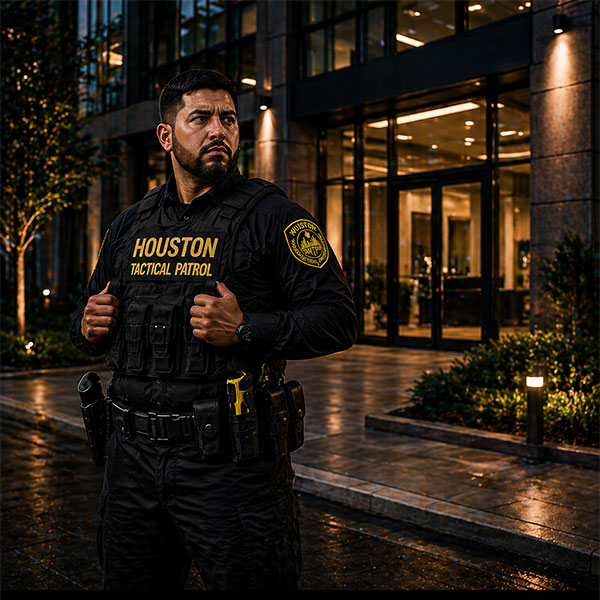
Houston Tactical Patrol provides staffed fire watch coverage designed to help Texas properties maintain a professional, visible safety presence when fire protection systems are impaired. The goal is straightforward: give site leaders dependable personnel, documented activity, and responsive communication while they work to restore normal protection.
When a life-safety system goes down, the right response is not to hope nothing happens before the repair crew arrives. Put a clear plan in place, keep qualified personnel on the property, and treat every patrol as a chance to spot a problem before it becomes an emergency.