A security contract should deliver more than an officer or marked unit appearing at the property. A patrol performance review gives property owners and managers a clear way to confirm that coverage is visible, responsive, professional, and aligned with the risks their site actually faces. It turns security from a line item into a managed operation with measurable expectations.
For a retail center dealing with after-hours trespassing, success may mean fewer repeat incidents and documented checks around vulnerable entrances. For a construction site, it may mean timely perimeter patrols, access control, and immediate reporting of damaged fencing or unauthorized activity. The right review process reflects the property, the hours of exposure, and the responsibilities assigned to the patrol team.
Why Patrol Performance Needs Regular Review
Security conditions change quickly. A new tenant, seasonal crowds, construction activity, changes in operating hours, or a recent break-in can create risks that were not present when service began. If nobody reviews patrol activity against those changes, even a reliable schedule can become the wrong schedule.
Regular reviews also protect against assumptions. A manager may believe an officer is checking a problem area every hour, while the post orders call for checks only twice per shift. A patrol provider may receive incident reports but not know that a particular vehicle description has appeared at several nearby properties. A structured conversation closes those gaps before they become a larger loss, liability issue, or safety concern.
The goal is not to create unnecessary paperwork or criticize personnel for isolated issues. It is to establish accountability on both sides. The client identifies current concerns, the security provider confirms the coverage plan, and both parties can see whether the service is producing the intended result.
What a Patrol Performance Review Should Measure
The most useful reviews combine activity records with real-world outcomes. Numbers matter, but they should be interpreted in context. A high number of incident reports can indicate a recurring problem. It can also indicate that officers are alert, documenting concerns, and taking action instead of ignoring them.
Patrol Completion and Checkpoint Accountability
Start with the basic question: did patrols occur where and when they were expected? Patrol logs, digital tour reports, GPS-supported vehicle tracking where applicable, and supervisor records can verify completed rounds. These records should show more than a generic entry stating that everything was normal.
Effective documentation identifies the patrol area, time, conditions observed, and any corrective action taken. A note that a rear gate was unsecured, for example, should state whether the officer notified management, secured the gate if authorized, contacted law enforcement, or remained on site until the issue was addressed.
Completion alone does not prove quality. An officer can complete a route without giving sufficient attention to a dark loading area, a recurring access point, or vehicles lingering near the property. Reviewers should compare patrol routes with the areas that matter most to the property.
Response Time and Escalation
When an alarm, disturbance, trespass complaint, or safety concern occurs, response time becomes a critical measure. Review when the security team was notified, when the officer arrived or began responding, what was found, and whether the matter was escalated appropriately.
The expected response standard depends on the assignment. A dedicated on-site officer can generally respond faster than a mobile unit covering several locations. A large property may require additional time to reach a distant parking lot or perimeter point. The important factor is that the service plan sets realistic expectations and that actual response is consistently measured against them.
Escalation is equally important. Officers should know when to contact a client representative, dispatch, emergency services, or law enforcement. They should not be expected to handle situations beyond their training, authority, or assigned duties. Clear escalation procedures reduce delay, protect personnel, and give management a reliable record of what occurred.
Incident Quality, Not Just Incident Volume
A useful incident report helps a manager make a decision. It should be timely, factual, and specific enough to support follow-up. Reports that simply say “suspicious person removed” offer little value. Better reporting identifies the location, time, observed behavior, action taken, notifications made, and whether the subject left voluntarily or law enforcement was contacted.
Review report quality for clarity and consistency. Spelling and formatting may seem minor, but professional documentation affects credibility when a report is used for insurance, tenant communication, internal investigations, or legal matters. Reports should state facts rather than assumptions and avoid language that inflames a situation.
Look for patterns across reports. Repeated door alarms at the same entrance, recurring unauthorized parking, or multiple reports of a damaged fence may point to a physical security issue that patrols alone cannot solve. The review should lead to practical adjustments, such as improved lighting, revised access procedures, signage, camera placement, or a change in patrol frequency.
Officer Conduct and Property Representation
Patrol officers represent the property while interacting with employees, residents, tenants, guests, vendors, and the public. Professional appearance, alertness, communication, and sound judgment are part of performance. A visible security presence only works as a deterrent when people believe the officer is attentive and capable of responding.
Client feedback belongs in the review, especially feedback from people who regularly encounter the security team. At the same time, it should be evaluated fairly. An officer enforcing parking, access, or visitor rules may receive complaints because they are performing assigned duties. Management should distinguish between dissatisfaction with a policy and an actual service failure.
Supervisory inspections can help verify uniform standards, post-order knowledge, equipment readiness, and officer awareness of current site concerns. These checks are particularly valuable for properties with multiple shifts, remote patrol coverage, or changing personnel.
Turn Review Findings Into Site Improvements
A patrol performance review is only valuable if it produces action. Each review should end with a short set of agreed next steps, assigned responsibilities, and a date to confirm completion. Some changes may be immediate, such as adding a check to a vulnerable access point. Others may require client approval, budget planning, or coordination with property maintenance.
Common actions include updating post orders, changing patrol intervals, revising the route, adding targeted checks during high-risk hours, improving report distribution, or establishing a clearer contact protocol. If incidents show that a particular location needs more consistent visibility, a mobile patrol plan may need additional stops or the property may need dedicated officer coverage during defined hours.
Avoid making changes based on one unusual event unless the event reveals a serious threat. A single noise complaint does not always require expanded coverage. Repeated incidents, credible threats, loss trends, and operational changes deserve a stronger response. Good security management balances preparedness with cost and avoids paying for coverage that does not address a documented need.
Questions Clients Should Ask Their Security Provider
A productive review does not require security expertise. Property decision-makers should ask whether patrols are being completed as scheduled, where incidents are concentrating, how quickly concerns are addressed, and whether current post orders still match the site’s needs. They should also ask what the provider recommends based on observed conditions.
The provider should be ready to explain the reasoning behind recommendations. More staffing is not always the answer. In some cases, a revised patrol route, better communication with management, or a simple physical security repair can reduce risk more effectively. In others, rising activity or a high-value exposure may justify stronger on-site coverage.
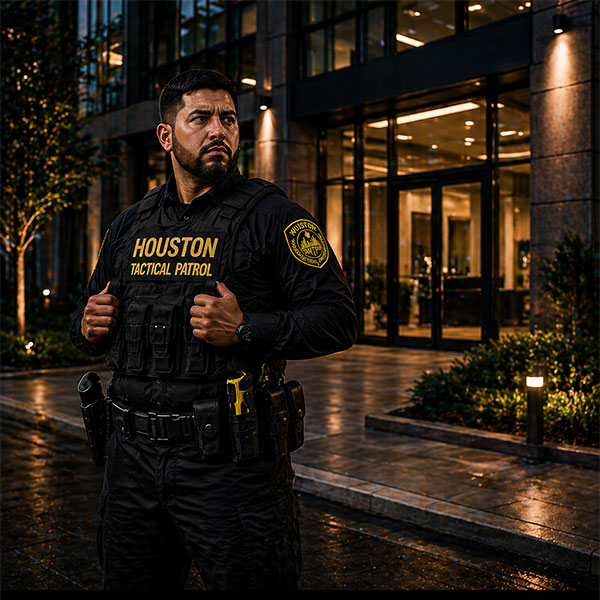
Houston Tactical Patrol approaches performance as an ongoing responsibility, not a one-time setup. Reliable patrol service requires trained personnel, clear reporting, responsive supervision, and direct communication with the people responsible for the property.
A well-run review gives you a practical next move: identify the one area where risk, visibility, or response needs improvement, assign ownership, and verify that the change is working at the next check-in.