A lot of after-hours losses start with something small: a side door that did not latch, a gate left open after a delivery, a camera blocked by glare, or a closing routine that exists only in someone’s memory. An overnight business security checklist guide helps prevent those simple misses from becoming theft, vandalism, or liability problems by turning closing time into a repeatable control point.
For business owners and property managers, that matters because most overnight issues are not dramatic. They are preventable. The goal is not to make your property feel locked down for the sake of appearances. The goal is to reduce opportunity, improve accountability, and make sure someone can respond quickly if something goes wrong.
Why an overnight business security checklist guide matters
When a site goes quiet, risk changes. Staff leaves, visibility drops, and small problems can sit unnoticed for hours. Retail locations face burglary and smash-and-grab risk. Offices deal with unauthorized entry, internal theft, and access control gaps. Construction sites have material theft, trespassing, and fire watch concerns. Hotels, multifamily properties, and mixed-use facilities often deal with loitering, parking lot incidents, and after-hours disturbances.
That is why a checklist is more than a form. It creates consistency across shifts, locations, and managers. If you run one small storefront, it helps make sure your team closes the same way every night. If you oversee multiple properties, it gives you a standard that can be audited, trained, and improved.
A good checklist also reveals where process alone is not enough. Some sites can be secured by disciplined staff routines and working equipment. Others need patrol coverage, live monitoring, or an on-site officer because the risk profile is higher. It depends on the property type, neighborhood activity, operating hours, and what would happen if a problem goes unaddressed until morning.
The core overnight business security checklist
Start with the perimeter. Exterior doors, gates, fences, and roll-up access points should be physically checked, not just assumed secure. A door that looks closed but does not fully latch is a common failure point. Loading areas deserve extra attention because they are often used late and can be overlooked during shutdown.
Lighting should be verified at close, especially around entrances, dumpster enclosures, rear alleys, parking areas, and walkways between buildings. Good lighting does not stop every incident, but poor lighting makes surveillance less useful and increases the chance of trespassing going unnoticed. If bulbs are out or timers are off, note it and fix it quickly.
Cameras should be recording and positioned correctly. This sounds basic, but it is one of the most common blind spots. A camera system is only useful if the image is clear, the timestamp is accurate, and the footage can actually be retrieved. Night visibility, glare, and obstructions matter more after hours than during the day.
Alarm systems and access control should be armed and tested according to your process. If employees regularly trigger false alarms, the answer is not to stop using the system. It is to improve the closeout routine and training. Frequent false alarms create complacency, and complacency is expensive.
Inside the building, high-value assets should be secured before the last employee leaves. That includes cash, electronics, sensitive inventory, keys, and records. Not every item needs a safe, but anything portable and valuable should not be left in plain view. If you have multiple departments, assign responsibility clearly rather than assuming one closing manager has checked everything.
Fire and life safety should also be part of the nightly routine. Electrical hazards, blocked exits, heat-producing equipment, and unattended temporary power setups can become overnight emergencies. This is especially relevant for construction, renovation, and vacant properties where conditions change frequently.
Finally, confirm who is responsible for after-hours response. If an alarm activates at 2:00 a.m., who gets the call, who has keys, who can verify whether it is a false alarm, and how fast can they get there? A checklist without a response plan leaves too much to chance.
What to check before the last person leaves
The most effective closing routines are simple enough to be followed every night and specific enough to catch real issues. That means assigning responsibility by area and requiring physical verification where it matters.
Perimeter and entry points
Every exterior door should be checked for lock status, proper closure, and signs of tampering. Rear doors and service entrances need the same attention as front entries. If your property includes gates, make sure they are closed, locked, and not blocked open for convenience.
Parking lots and common exterior spaces should be scanned before close. Look for unauthorized vehicles, individuals lingering near entrances, and any damaged barriers, broken locks, or lighting failures. These details can signal an elevated overnight risk.
Interior controls and valuables
Registers should be closed out and cash handled according to policy. Master keys, access cards, and vehicle keys should be secured in a controlled location. If employees store personal items overnight, set rules so they do not create confusion during an incident review.
Sensitive rooms such as IT closets, inventory cages, file rooms, and management offices should be locked separately when appropriate. Layered security matters because if one point fails, the entire site is not left exposed.
Systems and monitoring
Verify that alarm panels are armed and that camera views are active in critical areas. If you rely on remote alerts, confirm the contact list is current. Too many businesses discover after an incident that notifications were being sent to a former manager or an unanswered phone.
If your property has overnight patrol or monitoring, closeout communication should be documented. The handoff should include unusual activity, maintenance issues affecting security, and areas that require extra attention.
Where businesses often get this wrong
One common mistake is treating every property the same. A professional office suite with limited foot traffic has different after-hours needs than a convenience store, warehouse, apartment community, or active construction site. The checklist should follow the risk, not just the building type.
Another mistake is relying too heavily on technology without a physical presence. Cameras and alarms are valuable, but they do not lock doors, challenge trespassers, or walk a dark parking lot. If your site has recurring incidents, visible patrol or on-site officers may be the missing layer.
There is also a staffing issue. Closing routines often get rushed by employees whose main job is operations, not security. That is understandable, but it creates inconsistency. When after-hours exposure is high, trained security personnel bring discipline to access control, perimeter checks, incident documentation, and response.
When to add overnight patrol or guard coverage
If your business has repeated vandalism, theft attempts, trespassing, loitering, or alarm activity, a checklist alone may not be enough. The same is true if your property includes large parking areas, multiple buildings, valuable outdoor assets, or public-facing access points that cannot be fully secured by locks and cameras.
In those cases, overnight patrol can close the gap between passive systems and actual response. Mobile patrol works well for many commercial properties that need visible deterrence and documented checks without a full-time on-site officer. Dedicated guard coverage makes more sense when access control, tenant interaction, fire watch, or continuous presence is required.
For many Texas businesses, especially in busy commercial corridors or sprawling industrial areas, the right answer is layered security. That may mean a checklist, functioning surveillance, and scheduled patrols working together rather than relying on a single measure.
Make the checklist usable, not theoretical
The best overnight security process is the one your team can actually follow under normal conditions. Keep it site-specific. Use plain language. Update it when the building changes, the tenant mix changes, or incidents reveal a weakness. Review it with managers and front-line staff, not just leadership.
It also helps to document exceptions. If a camera is down, a fence panel is damaged, or a tenant requests late access, that should trigger temporary controls rather than informal workarounds. Professional security operations are built on consistency, but they also account for changing conditions.
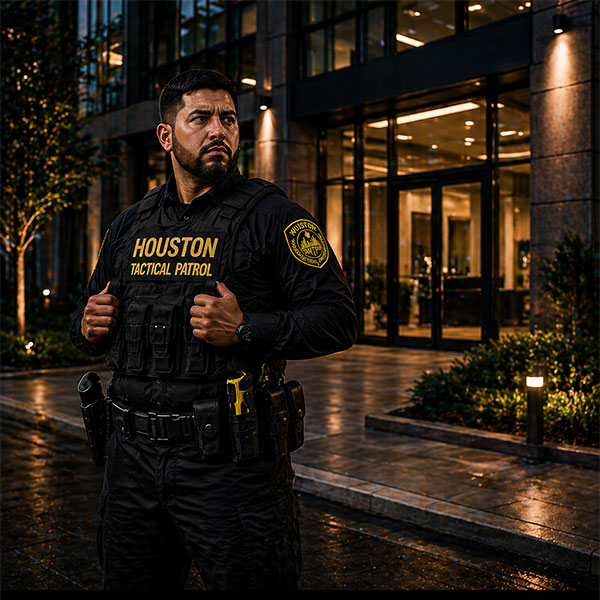
For organizations that want stronger after-hours control without adding internal burden, this is where a dependable security partner can make a measurable difference. Houston Tactical Patrol supports businesses that need disciplined overnight coverage, visible deterrence, and responsive personnel who can represent the property professionally.
An overnight checklist is not about adding paperwork to the end of the day. It is about giving your business a better chance of opening tomorrow without surprises, missing inventory, broken glass, or unanswered questions.