A theft problem rarely starts with a major break-in. It often begins with an unsecured delivery entrance, a blind spot in a parking lot, repeated shoplifting, or a person testing whether anyone is paying attention. Loss prevention officer duties are built around identifying those risks early, maintaining a visible security presence, and responding professionally when an incident occurs.
For business owners and property managers, the value is not limited to recovering merchandise. A qualified loss prevention officer helps protect people, property, operations, and the reputation of the site. The exact assignment may look different at a retail store, warehouse, apartment community, construction site, or event venue, but the mission remains the same: reduce preventable loss without disrupting legitimate customers, residents, employees, or guests.
What Are Loss Prevention Officer Duties?
Loss prevention officers protect a property from theft, fraud, trespassing, vandalism, and other conduct that can create financial loss or safety concerns. They combine observation, patrol, access control, incident response, and accurate reporting to help a client maintain a controlled environment.
The role requires sound judgment. Security personnel must be alert enough to recognize suspicious behavior, but professional enough to avoid assumptions or unnecessary confrontation. An officer should follow the client’s post orders, operate within applicable laws and company policy, and know when a situation requires management involvement, emergency services, or law enforcement.
A strong loss prevention program is not simply about catching offenders. Prevention is usually more effective and less disruptive than a confrontation after a loss has occurred. Visible patrols, consistent entry procedures, controlled access points, proper documentation, and prompt communication all make a property less appealing to opportunistic offenders.
Visible Deterrence and Active Observation
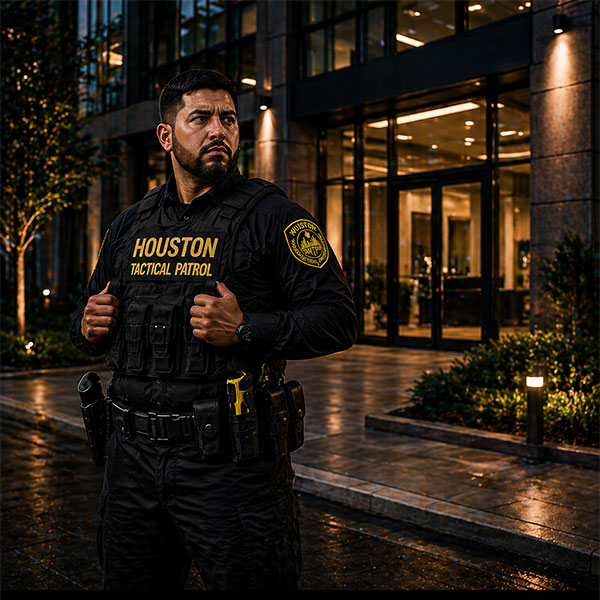
One of the most valuable loss prevention officer duties is maintaining a presence that discourages crime before it happens. Uniformed officers, marked patrol activity, and consistent checks send a clear message that the property is actively monitored.
Active observation goes beyond standing near an entrance. Officers watch traffic patterns, identify restricted areas, notice doors left unsecured, and look for behavior that does not match the normal activity of the site. At a retail location, that may involve monitoring high-value merchandise areas and fitting rooms. At a warehouse, it may mean checking loading docks, employee exits, inventory cages, and vehicle traffic. At a residential community, it can include watching for unauthorized visitors, package theft risks, and recurring trespass concerns.
Good observation is based on behavior and circumstances, not bias. Officers should focus on specific actions, such as attempting to conceal merchandise, forcing access points, entering restricted areas, or repeatedly checking security coverage. This protects the client while supporting fair and professional treatment of everyone on site.
Patrolling Property and Securing Vulnerable Areas
Routine patrols are a core part of effective loss prevention. A patrol officer checks the areas where theft, trespassing, vandalism, and safety problems are most likely to occur. These areas can include parking lots, stairwells, storage rooms, loading zones, perimeter gates, restrooms, vacant units, construction materials storage, and employee-only spaces.
Patrols should be varied when possible. A predictable route completed at the same time every hour can be easy for an offender to anticipate. At the same time, officers need a reliable schedule for critical checks, such as verifying exterior doors after closing, inspecting fire exits, and monitoring access points during shift changes.
During a patrol, officers may identify concerns that are not criminal but still expose the property to loss. A broken fence, burned-out exterior light, unsecured dumpster enclosure, leaking sprinkler line, or obstructed camera can become a security issue if left unresolved. Reporting these conditions quickly gives management an opportunity to correct them before they create a larger problem.
Access Control and Visitor Accountability
Many losses occur because people gain access to areas they should not enter. Loss prevention personnel may be assigned to verify credentials, monitor visitor sign-ins, observe contractor activity, check deliveries, or control entry to a restricted floor, gate, room, or event area.
The right access-control process depends on the property. A small business may only need an officer to monitor after-hours entry and verify deliveries. A larger facility may require visitor logs, badge checks, vehicle screening, and coordination with a front desk or operations team. The goal is to create accountability without making routine access unnecessarily difficult.
Officers also help enforce site rules consistently. When an unauthorized individual is asked to leave, a delivery driver is directed to the correct entrance, or a contractor is verified before entering, the officer is protecting both security and operations. Clear, respectful communication matters. Security should represent the property professionally, especially in public-facing locations.
Responding to Theft, Trespassing, and Safety Incidents
When an incident occurs, officers must protect people first and preserve control of the situation. Their response may include observing and reporting suspicious activity, contacting a supervisor, requesting law enforcement, protecting evidence, providing a witness statement, or helping guide employees and guests away from an active concern.
The appropriate response depends on the facts. A minor policy violation may be handled by notifying management and documenting the issue. A violent threat, forced entry, or medical emergency requires immediate escalation to emergency services. Officers should not take unnecessary risks or attempt to act beyond their training, authority, or the assigned post orders.
Loss prevention officers are not law enforcement officers simply because they wear a uniform. Their authority and responsibilities depend on their licensing, training, client agreement, and the circumstances of the incident. For Texas properties, working with a properly licensed security provider helps ensure that officers understand their role, reporting responsibilities, and escalation procedures.
Documentation That Protects the Client
Accurate reporting is one of the least visible but most critical loss prevention officer duties. A well-written report creates a record of what happened, when it happened, who was involved, what actions were taken, and whether additional follow-up is needed.
Reports can support insurance claims, internal investigations, law enforcement cases, employee discipline, tenant enforcement, and future security planning. They also help managers identify patterns. If officers document repeated attempts to enter through one rear gate, recurring theft near a certain display, or persistent parking-lot issues after a specific time, the client can adjust staffing, lighting, cameras, procedures, or patrol coverage.
Effective reports are factual and specific. They should avoid speculation, emotional language, or unsupported conclusions. Details such as times, locations, descriptions, actions observed, notifications made, and available video evidence can make the difference between a useful report and an incomplete record.
Communication With Management and On-Site Teams
Loss prevention is strongest when security personnel and site staff work from the same plan. Officers should know who to contact for maintenance concerns, operational questions, employee issues, tenant complaints, or emergencies. They should also communicate shift updates so that important information does not disappear when one officer leaves and another arrives.
For clients, this communication reduces management burden. Instead of discovering an unsecured door, damaged gate, or recurring trespass issue after the fact, they receive timely information and can make informed decisions. At properties with changing risks, such as construction sites, retail centers during holiday traffic, or event venues, regular communication allows coverage to adapt quickly.
Houston Tactical Patrol LLC can tailor officer assignments and patrol expectations around a property’s actual risks, whether the priority is merchandise protection, access control, after-hours patrols, or a more visible presence for tenants and visitors.
Training, Professionalism, and Judgment Matter
A loss prevention officer can only be effective when training is matched to the assignment. An officer protecting a busy retail site needs strong customer-service and observation skills. A warehouse or construction assignment may require greater attention to perimeter security, vehicle access, equipment protection, and after-hours response. An event assignment requires crowd awareness, entry management, and clear communication under pressure.
There are trade-offs in every security plan. A highly visible officer may be the best deterrent for a property experiencing open trespassing or theft. A discreet presence may be more appropriate when a client needs observation without affecting the customer experience. Armed coverage may be warranted for higher-risk environments, while unarmed officers may be the right fit for routine access control or patrol needs.
The best approach starts with an honest assessment of where losses occur, when risks increase, and how the property operates. Loss prevention officers provide the most value when they are given clear post orders, supported by responsive management, and positioned where their presence can prevent a problem before it becomes a costly incident.
A protected property is not one where incidents never happen. It is one where risks are noticed early, response is organized, and no one has to wonder who is responsible when something goes wrong.