A full parking lot can look like a successful event. It can also signal the moment when an ordinary operating plan stops being enough. When arrival times overlap, entrances narrow, weather shifts, or an incident draws attention to one area, crowd safety becomes a real-time responsibility – not a box checked during pre-event planning.
For event organizers, property operators, and hospitality teams, the goal is not to make guests feel controlled. It is to create an environment where people can arrive, move, gather, and leave without confusion or unnecessary risk. That requires visible staffing, clear decisions, and a plan that can adjust when attendance, behavior, or conditions change.
Crowd Safety Starts Before Guests Arrive
The strongest event security plans begin with an honest review of the site. A venue may handle a small corporate gathering well but become difficult to manage when attendance doubles, alcohol is served, vendors occupy walkways, or traffic enters through a single access point. Capacity is more than the number of tickets sold. It includes the usable space, exit routes, staffing levels, parking flow, and the time it takes to clear an area if necessary.
Walk the property from the guest’s perspective. Where will vehicles queue? Which gate will visitors assume is open? Where do lines form for ticketing, restrooms, concessions, elevators, or rideshare pickup? Identify pinch points before they become congestion points. A narrow walkway beside a popular attraction may be manageable for short periods, but it needs active monitoring if people cannot easily move around it.
For Houston-area outdoor events, weather deserves the same attention as access control. Heat can create medical issues and cause guests to cluster near shade or water stations. Severe weather can send a crowd toward covered areas all at once. A safety plan should identify shelter options, who has authority to pause the event, and how instructions will be communicated quickly.
Set Clear Operational Roles
Crowd management fails when everyone assumes someone else is watching the same problem. Assign responsibility for entry screening, perimeter checks, line management, parking coordination, emergency exits, and incident reporting. Event staff, vendors, security officers, and site management should know who makes decisions when a concern develops.
This does not mean every employee needs security training at the same level. It means each person needs a defined role and a reliable way to report what they see. A parking attendant may notice an argument before it reaches the entrance. A vendor may spot an unattended bag. A trained security officer can assess the situation, communicate with management, and take appropriate action within the established plan.
Control Access Without Slowing the Event
Entry is one of the most important crowd safety pressure points. Guests are often arriving at the same time, carrying bags, looking for tickets, and focused on getting inside. If screening procedures are unclear or staffing is too light, the line can spill into traffic lanes, block sidewalks, and create frustration that increases the chance of conflict.
Use enough entry lanes for the expected arrival pattern, not only the total guest count. A 1,000-person event with arrivals spread across three hours needs a different setup than a 1,000-person concert where most guests arrive in a 30-minute window. Separate ticket questions, will-call issues, bag checks, and credentialed access when possible so one delayed guest does not stop the entire line.
Visible security also has a deterrent effect. Professional officers positioned at entrances, patrol points, and restricted areas establish expectations before a problem starts. Their presence should be approachable and controlled, not confrontational. Guests are more likely to cooperate when directions are concise, signage is clear, and staff can explain where to go next.
Protect Restricted and Back-of-House Areas
Crowd control is not limited to public spaces. Loading zones, equipment rooms, cash handling areas, staff entrances, and performer access points can become vulnerable when an event is busy. Uncontrolled access creates safety concerns and can expose the operator to theft, trespassing, or disruption.
Use credentials, barriers, and staffed checkpoints appropriate to the event. The right level of control depends on the venue, attendance, client profile, and risk factors. A private corporate function may need discreet access management, while a public festival may require a stronger perimeter and continuous patrol coverage. The goal is proportional security that supports the event rather than overwhelms it.
Watch Movement, Not Just Behavior
Security teams are often asked to watch for disruptive behavior. That matters, but crowd safety also depends on watching movement. A calm-looking crowd can become dangerous when density rises and people lose the ability to move freely. Staff should monitor where people are gathering, whether exits are being blocked, and whether a line is beginning to push into another operational area.
Common warning signs include guests pressed tightly together, people attempting to move against the flow, repeated arguments at a bottleneck, and sudden attention toward a single location. A response may be as simple as opening another gate, redirecting foot traffic, moving a barrier, or pausing entry for several minutes. Small corrections made early are far easier than trying to regain control after congestion builds.
Avoid relying only on fixed cameras or a command post view. Cameras support situational awareness, but trained personnel on the ground can see confusion, body language, and changing conditions that may not be obvious on a screen. The most effective approach combines monitoring with active patrols and direct communication between field staff and event leadership.
Build an Emergency Plan People Can Use
An emergency plan should be practical enough to work under pressure. Long documents are useful for preparation, but staff need simple instructions when there is a medical emergency, fight, fire alarm, severe weather alert, missing child report, or evacuation order.
Before opening, confirm emergency exits are unlocked where required, visible, and free of storage or vendor equipment. Establish a meeting point for lost guests and a separate location for emergency responders if they need access. Make sure security personnel know the venue address, best entry gate for first responders, and any site hazards that could affect a response.
Communication should have backups. Radios are valuable, but batteries fail and channels become crowded. Designate plain-language codes or phrases for urgent conditions, identify who contacts 911, and ensure supervisors can reach decision-makers quickly. In a large venue, public-address announcements, signage, and staff direction may all be needed to move guests safely.
It also helps to plan for partial disruptions. Not every incident requires evacuating the entire property. A medical response near a stage may require a protected route through the crowd. A fight in a parking area may call for officers to separate parties and preserve access for departing guests. The response should match the event, the threat, and the available resources.
Choose Security Staffing for the Actual Risk
There is no single officer-to-guest ratio that fits every event. Staffing needs depend on layout, operating hours, parking conditions, alcohol service, entry screening, public profile, and history of incidents. A family event at a controlled venue has different needs than a late-night festival with multiple access points and open parking.
A qualified security provider can help assess where officers create the most value. Some posts require fixed coverage, such as entrances, gates, stages, or cash areas. Others benefit from mobile patrols that check restrooms, parking lots, vendor corridors, and less visible parts of the property. For higher-risk events, armed and unarmed personnel may serve different roles based on the client’s policy and the site’s needs.
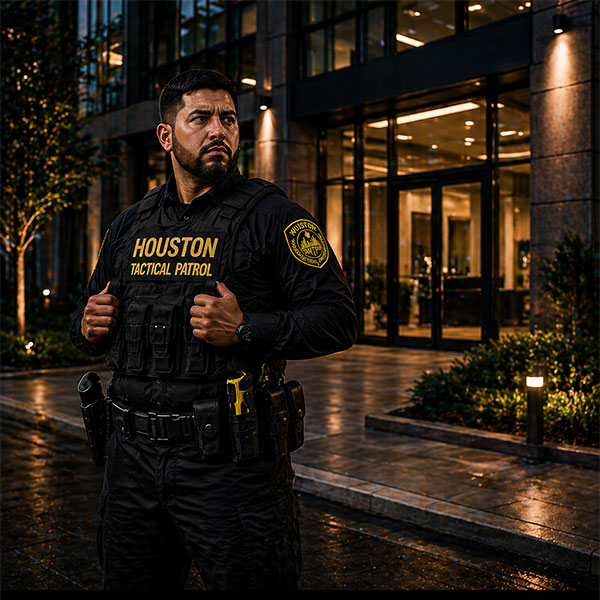
At Houston Tactical Patrol LLC, event coverage is built around trained, professional personnel and clear operational expectations. The focus is not simply placing officers on site. It is providing visible deterrence, accountable reporting, and responsive support that helps organizers manage the event with confidence.
Keep the Plan Active Until the Last Vehicle Leaves
The event is not over when the program ends. Departure can create its own crowd safety concerns as guests move toward parking lots, rideshare areas, elevators, and exits at the same time. Traffic backups, impaired driving concerns, disputes, and poorly lit areas deserve active coverage until attendance has meaningfully cleared.
Direct guests toward multiple exits when the site allows it. Keep pedestrian routes separated from vehicle traffic, especially after dark. Security officers and parking staff should remain coordinated so a vehicle issue does not leave people standing in an active lane or force pedestrians into unsafe paths.
A well-managed event leaves guests with a simple impression: the property felt organized, professional, and safe. That outcome is built through preparation, trained people, and early action when conditions start to change. Plan for the crowd you expect, but staff and communicate for the crowd that may arrive.