A fire alarm panel goes offline at 6:00 p.m. A sprinkler line is being repaired. A construction crew leaves behind temporary power and hot-work exposure. These are the moments when fire watch security services provide a necessary layer of protection. The goal is straightforward: place trained personnel on site to watch for fire hazards, report emergencies quickly, document conditions, and help maintain a safer property while normal fire protection is impaired.
For property managers, facility operators, and business owners, fire watch is not simply another staffing assignment. It is a time-sensitive response that helps protect people, assets, operations, and the reputation of the property. The right coverage can reduce the burden on your internal team when conditions demand continuous attention.
When Fire Watch Security Services Are Needed
Fire watch coverage is commonly needed when a building’s automatic fire protection systems are temporarily unavailable or unreliable. This may include a malfunctioning fire alarm, sprinkler impairment, fire pump issue, damaged notification system, or a system that has been taken offline for inspection, repair, or renovation.
Construction and industrial work can also create elevated risk. Hot work such as welding, cutting, grinding, and torch use may require a dedicated watch during the work and for a period afterward, depending on the site conditions and applicable requirements. Vacant buildings, properties experiencing power disruptions, and facilities with recent fire-related incidents may also need an added physical presence.
The exact requirement depends on the property, the nature of the impairment, local fire authority direction, occupancy, and applicable fire codes. A qualified security provider should not treat every assignment the same. A small retail suite with a brief alarm panel issue requires a different plan than a multi-story apartment community, warehouse, healthcare-related facility, or active construction site.
What a Fire Watch Officer Does
A fire watch officer is not a replacement for the fire department, a fire protection contractor, or a repaired life-safety system. Their role is to provide active observation and rapid reporting while the underlying issue is being addressed. This distinction matters because a professional fire watch plan must be clear about responsibilities, patrol routes, escalation procedures, and documentation.
During an assignment, trained officers may perform duties such as:
- Conducting scheduled patrols of designated areas, exits, stairwells, mechanical spaces, and other risk points
- Watching for smoke, flames, unusual heat, hazardous conditions, blocked exits, or signs of system trouble
- Notifying emergency services and designated site contacts when a fire emergency or unsafe condition is identified
- Maintaining detailed patrol logs, incident reports, and records of observations during the impairment period
- Supporting access control and deterring trespassing when a vulnerable building also faces after-hours security concerns
The most effective officers remain visible, alert, and familiar with the property. They understand where people gather, where equipment is stored, which areas are unoccupied, and how to reach site contacts quickly. That awareness helps them recognize a problem before it becomes a larger emergency.
Documentation Is Part of the Protection
A fire watch assignment should create a clear record of what occurred on site. Patrol logs show when rounds were completed, which areas were checked, and whether officers observed hazards or system changes. Incident reports document the response if a concern arises.
This recordkeeping can be valuable for internal accountability, communication with contractors, and discussions with insurers or authorities. It also gives property management a better picture of whether the impairment is being resolved promptly. A guard who is present but unable to provide accurate reporting leaves a significant gap in the service.
How to Set Up Effective Coverage
Fast deployment matters, but speed should not eliminate planning. Before coverage begins, the security provider needs practical details: the affected system, the reason it is impaired, the building layout, the occupied areas, the hours of operation, and the contacts authorized to make decisions.
A good plan identifies patrol frequency and the specific zones that require attention. It should account for special exposures, including flammable materials, kitchens, electrical rooms, storage areas, loading docks, construction zones, and locations where occupants may need assistance during an evacuation. If the property is large or spread across multiple buildings, a single officer may not be enough to provide meaningful coverage.
Communication procedures should be established before the first patrol begins. Officers need current contact information for the property manager, maintenance lead, alarm company, fire protection contractor, and emergency contacts. They should know when to call 911, when to notify management, and how to report a change in the property’s condition.
Choose Coverage Based on the Real Risk
The lowest-cost option is not always the best fit. An unarmed officer may be appropriate for many fire watch assignments, particularly when the main concern is life-safety observation and reporting. However, a site with repeated trespassing, theft exposure, or isolated overnight conditions may require a broader security plan that includes patrol support or a more visible deterrent.
Coverage duration also varies. Some assignments last only a few hours while repairs are completed. Others continue around the clock for several days or longer when parts, inspections, or approvals delay restoration. A dependable provider can scale staffing as the situation changes rather than forcing the client into a one-size-fits-all schedule.
Risks of Treating Fire Watch as an Afterthought
When a fire protection system is impaired, an unstaffed property can face more than physical loss. Delayed detection can put occupants at risk, interrupt operations, complicate emergency response, and increase liability exposure. For commercial properties, a serious event can also affect tenants, customers, vendors, and neighboring businesses.
Assigning an untrained employee to make occasional rounds may sound practical, but it often creates confusion. Employees may be pulled into other duties, lack clear patrol instructions, or fail to document what they observe. They may not know the building’s emergency procedures or recognize hazards that deserve immediate escalation.
Professional fire watch coverage gives management a defined point of responsibility during a vulnerable period. Officers are assigned to the task, follow established procedures, and provide the consistency that an already-busy operations team may not be able to maintain.
Questions to Ask Before Hiring a Provider
Before selecting a fire watch provider, ask how quickly they can staff the site and whether they can support overnight, weekend, and extended assignments. Confirm that personnel are properly licensed as required for the work, trained to follow site-specific instructions, and capable of completing reliable activity logs and incident reports.
It is also wise to ask how the provider handles supervision and escalation. If an officer calls out, who fills the post? If a site condition changes at 2:00 a.m., who is available to coordinate the response? A provider’s ability to answer these operational questions clearly is often more meaningful than broad promises of coverage.
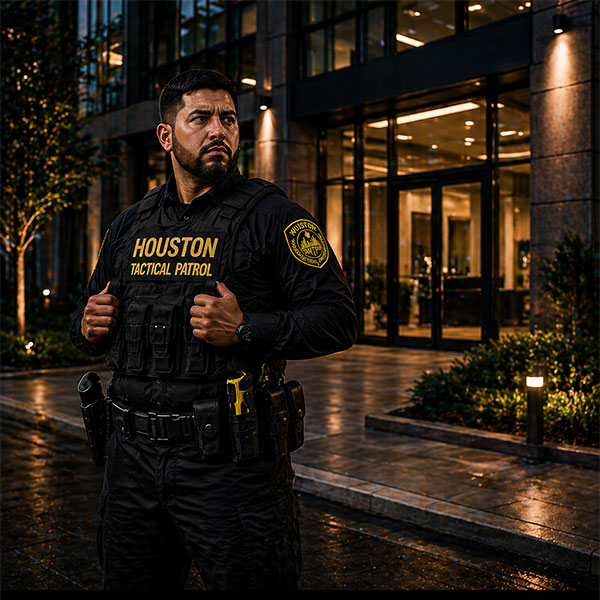
For Houston-area properties, local familiarity can be especially useful when weather events, infrastructure issues, construction activity, or rapid maintenance needs create unexpected system impairments. Houston Tactical Patrol LLC provides customizable staffed coverage designed to help clients maintain a professional, visible protective presence when it matters most.
A fire protection impairment should be treated as a temporary condition, not a reason to accept temporary standards. Put a clear fire watch plan in place, keep qualified personnel on task, and maintain coverage until the appropriate system repairs and approvals are complete.